Gaya is an important city in the Indian state of Bihar. The city of Gaya is an integral part of the cultural heritage of India. Its significance as a center of learning and from the religious viewpoint is immense. For Hindus, Gaya is a place where an important ritual for the peace of the departed soul is completed. For Buddhists, this place holds significance, as it is where Lord Buddha preached the Fire Sermon on the Brahmayoni Hill, formerly called the Gayasisa. Bodh Gaya is a place in the Gaya district situated 15 kilometers from the main town of Gaya. Apart from Bodh Gaya, the other three important places related to Buddha’s life are Lumbini, Kushinagar, and Sarnath. The magnificent Mahabodhi Temple was nominated as a World Heritage Site under UNESCO in 2002.
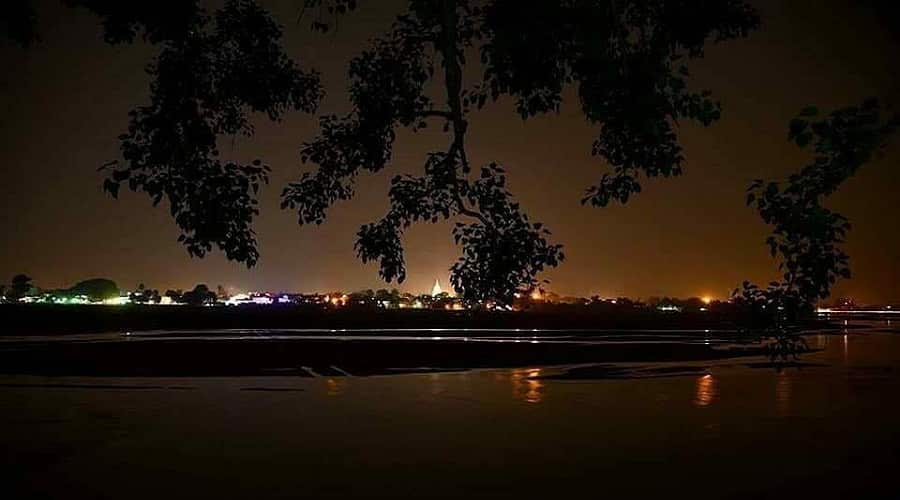

The present site of the Mahabodhi Temple was earlier known as the Bodhimanda. Surrounding it was a huge monastic settlement. In Pali, the primary monastery was called Bodhimanda-Vihara.
The present city of Bodh Gaya became famous only after Prince Gautama Siddhartha attained enlightenment. After renouncing all the worldly pleasures, the prince wandered off from his palace in search of answers. He gradually reached the banks of the river Falgu. Sitting under a Bodhi tree, he meditated and after three days and nights, he attained enlightenment. He came to be known as Buddha. Buddha then preached the world the importance of righteousness and settled at Sarnath, laying the foundation of Buddhism. Since Bodh Gaya witnessed this heavenly phenomenon, a temple was built at this site and dedicated to the enlightened one.
Places to Visit in Bodh Gaya
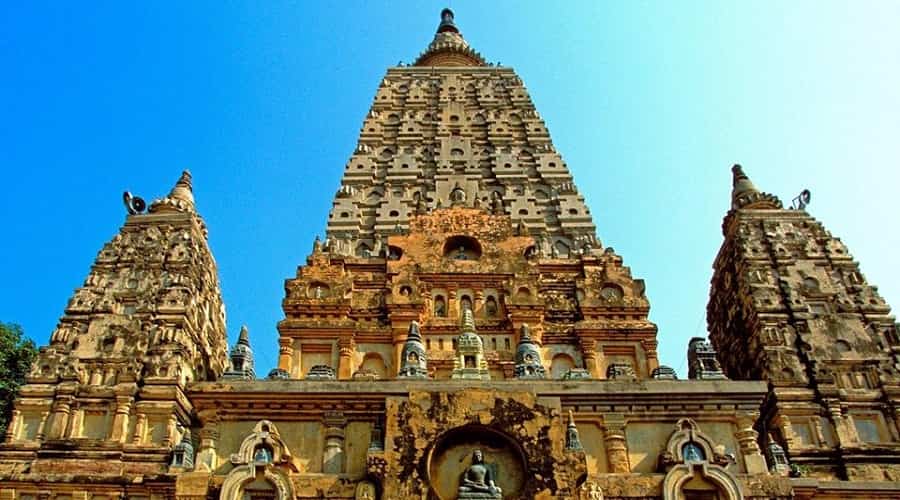
The holy place of Bodh Gaya is integrally linked with the life of Gautama Siddhartha, who became Buddha after attaining enlightenment. Situated 15 kilometers away from the holy town of Gaya, Bodh Gaya is the site of the famous Mahabodhi Temple. The Bodhi Tree is also located in the same premises. The temple’s architectural excellence and the exclusive diamond throne, known as Vajrasana, are notable features. The temple is a major pilgrimage site, and thousands of devotees visit during Buddha Purnima.
Historical Monasteries and Their Significance
Monasteries built earlier still remain intact and can be seen within the same temple complex. The monastery built by Kittisirimegha, a contemporary of Samudragupta, catered to the Singhalese monks. It is situated near the Mahabodhi Vihara.
Cultural Diversity in Temples Around Bodh Gaya
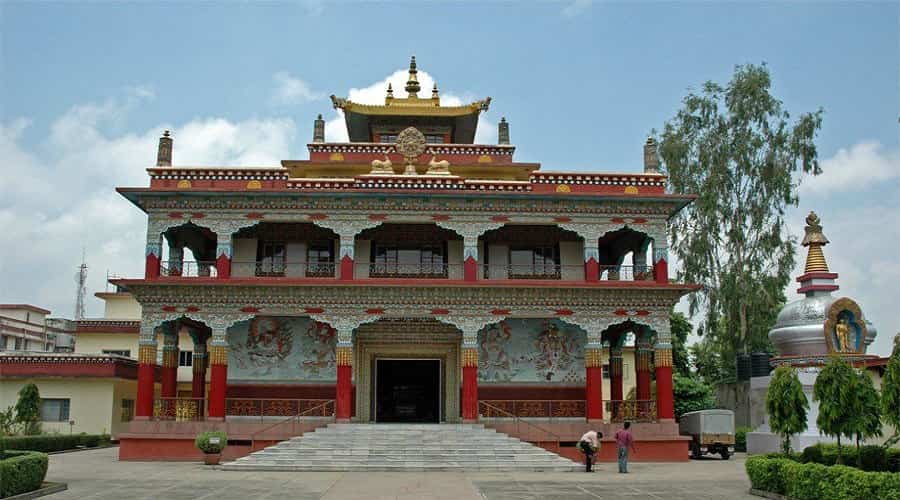
For years, several temples have grown around the main temple. Devotees from Bhutan, Tibet, China, Japan, Myanmar, Nepal, Sikkim, Sri Lanka, and Vietnam have constructed monasteries and temples here. These temples reflect the cultural traditions of the host countries. The architectural diversity highlights the cultural exchanges between India and these nations. Among the notable temples are the Nippon Temple (built in the shape of a pagoda) and the Myanmar Temple. The Bronze Statue of Buddha in the Thai Temple and the 200-year-old Statue of Buddha are also notable. The 25-meter Buddha statue in the Thai Temple garden is another tourist attraction.
- Know about: Popular Buddhist Monasteries in India
Other Tourist Attractions in Gaya and Surroundings
Tourists can also visit the Ghats and Temples that have grown on the banks of the Falgu River in Gaya. The Vishnupad Temple is the main attraction here. It is believed that Lord Vishnu’s footprint is embedded in the temple’s sanctum. Built by Devi Ahilyabai Holkar, the ruler of Indore, in the 18th century, the temple remains a revered site. Other attractions include the Mangala Gauri Shrine, Shringa-Sthan, Brahmayoni, and Ram-Shila.
Nearby Ancient Learning Centers
Nalanda, Rajgir, Vaishali, and Pataliputra are important centers of ancient learning, making them great additions to your Bodh Gaya trip.
How To Reach Bodh Gaya
- Bodh Gaya is easily reached from Gaya, located 15 kilometers away. It is a famous tourist destination and pilgrimage site. Many Buddhists and tourists visit Bodh Gaya during the Buddha Purnima festival.
- Bodh Gaya is conveniently connected to Gaya, which is well connected to major cities by a good network of trains and flights. Gaya also has a growing transportation network catering to domestic and international tourists. Road connectivity is also well-developed.
- Gaya Airport, located 17 kilometers from Bodh Gaya, is the nearest airport. International flights to Singapore, Colombo, and Bangkok operate here. Alternatively, the Patna Airport, 135 kilometers away, handles flights to Kolkata, Lucknow, and Delhi.
- Tourists can get down at Gaya Junction, which is connected to major cities like Mumbai, Kolkata, and Delhi through broad gauge routes and the Grand Chord Line. The Mahabodhi Express runs daily between Gaya and Delhi, offering convenient travel.
- Gaya is also connected to other cities like Lucknow, Varanasi, and Allahabad. Visitors can take a car or bus to reach Bodh Gaya.
- The Grand Trunk Road (NH 2) connects Gaya to places like Delhi, Kolkata, Varanasi, and Kanpur. Numerous buses operate from Gaya to destinations like Nalanda, Rajgir, Patna, and Varanasi. Buses to Bodh Gaya are also available from the main bus stand near the Sujata Bridge.
Hotels in Bodh Gaya
- Bodh Gaya is a fascinating and historical destination, attracting millions of visitors annually. The city has a range of accommodation options to suit all budgets.
- Hotels are also run by the State Tourism Board, and there are several budget options for tourists. These options ensure a comfortable stay for every traveler.
- There are plenty of three-star hotels in Bodh Gaya, offering excellent facilities and amenities. Many of these hotels are located close to main transport points, making it easy to commute to attractions. Notable three-star hotels include Taj Darbar, Hotel Siddhartha International, Hotel Royal Residency, Hotel Lotus Nikko, and Tathagat International. These hotels are ideal for pilgrims due to their proximity to the Mahabodhi Temple. For more budget-friendly options, the Tokyo Vihar Hotel and Mahamaya Hotel are available.
- For budget stays, tourists can opt for hotels run by the Bihar Tourism Development Corporation, such as Sujata Vihar, Buddha Vihar, and Siddhartha Vihar.
- The Hotel Bodh Gaya Ashok is another reputed hotel managed by the Indian Tourism Development Corporation.
Bodh Gaya remains a must-visit destination for anyone interested in Buddhism, history, and culture, attracting millions of pilgrims and tourists every year.