Quick Facts
Varanasi’s culture is as old as India itself, influencing every aspect of life, and most people feel it deeply through their soul. The culture of Varanasi is reflected through the traditional infrastructure of temples, the literature of great Indian writers who lived in this holy land, music that originates with the flowing of the Ganges, the natural beauty at the Ghats, and the language. Varanasi’s culture is experienced by the senses due to its unique features, and it is deeply associated with both Hinduism and Buddhism. It can be referred to as the perfect combination of Indian mythology, topography, archaeology, art, and history. The ancient Indians called Varanasi the “Vidya Ki Rajdhani” (The Capital of Knowledge) and the blessed place of Saraswati Mata, with Banaras Hindu University (BHU) being a prime example. BHU houses Asia’s largest library, where countless students have been blessed with knowledge to serve the country.
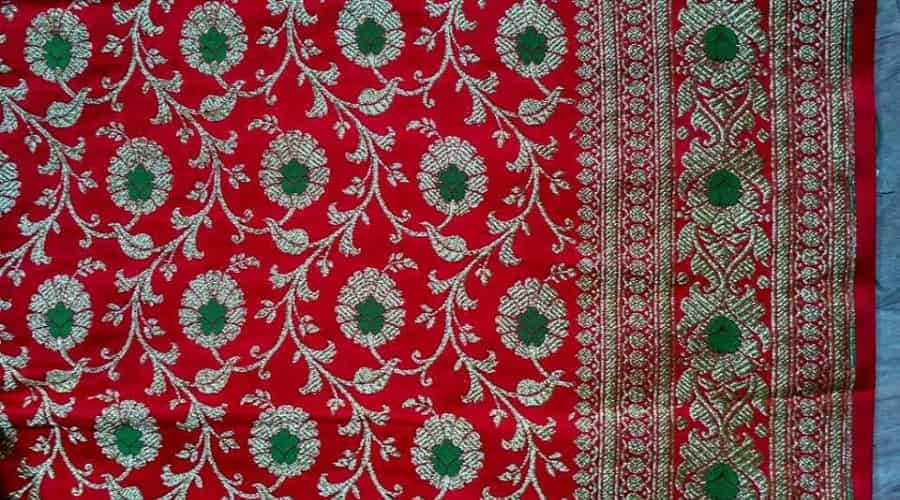

Varanasi culture possesses distinctiveness in its sense of dress, notably the world-famous Banarasi Saree made by local designers. This historical saree is considered one of the finest crafts, made from silk, gold or silver brocade, zari, and luxurious embroidery. The intricate designs, often featuring Mughal-inspired foliate and floral motifs, reflect the essence of Varanasi’s culture. These saris are heavier due to the fine engravings, making them a symbol of intricate craftsmanship.
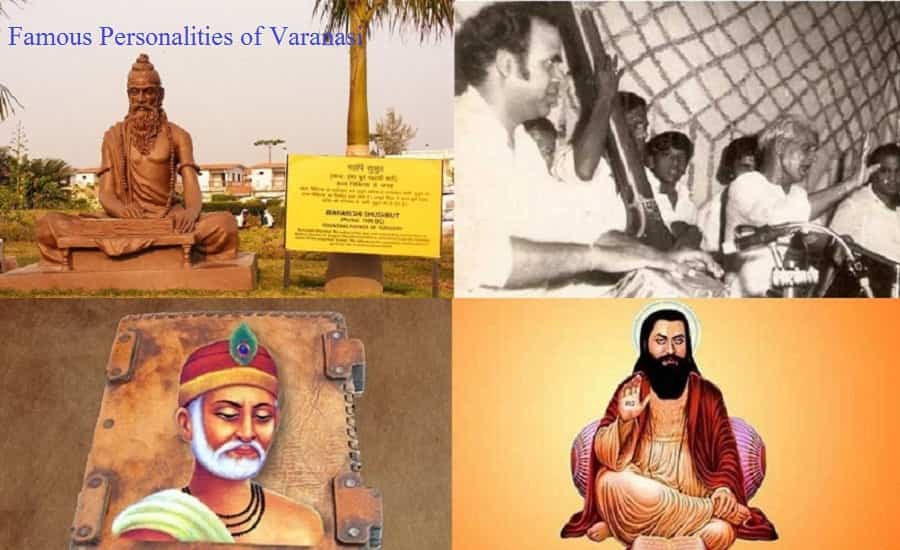

Varanasi is also renowned for its fine art and literature. The city is the birthplace of world-famous writers like Kabir, Ravidas, and Tulsidas, whose works are deeply embedded in the city’s cultural fabric. Art creators and historians like Raj Krishnadasa, Mahadev Mishra, and famous musician Gopal Mishra (a master of the Sarangi) have kept the spiritual aspect of arts alive in Varanasi. Other notable figures include Ustad Bismillah Khan, who contributed significantly to the city’s musical heritage. The city’s festivals are celebrated in traditional ways, with classical music and folk dance performances. Events such as Kajari, Budwa Mangal, and Chaiti Mela are celebrated annually, showcasing Varanasi’s rich cultural legacy. Additionally, the city is known for Ayurveda and Panchakarma treatments, with the famous ancient surgeon and author of Sushruta Samhita, Shri Sushruta, also having lived here.
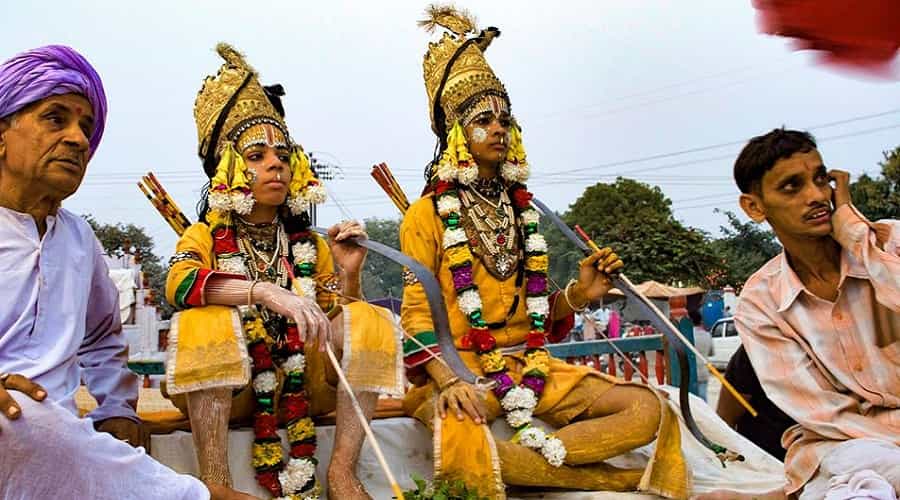
Lord Rama is believed to have crossed the Ganges in Varanasi, and this event is commemorated annually through the Ramlila, a dramatic reenactment of the epic story of Lord Rama. Celebrated during Dussehra for 31 days, the Ramlila ends on the day when Rama defeats the demon king Ravana. The festivities are sponsored by the Maharaja of Varanasi and were first started in the mid-19th century by Maharaja Udit Narayan Singh. This celebration is also known as the Ram Nagar ki Ram Leela and is a major cultural event in Varanasi.
Varanasi’s culture is deeply rooted in spiritualism and is often described as a labyrinthine, ancient city brimming with rich Indian heritage. It remains a living testament to India’s spiritual and cultural traditions, continuously evolving while maintaining its timeless essence.