Varanasi has been the epicenter of Indian spiritual philosophy, religious studies, and modes of education for many decades. The fairs and festivals of Varanasi represent its culture, tradition, and the way of celebrating occasions with religious fervor in Hinduism. It is believed that those who close their eyes and are cremated on this holy land are liberated from the cycle of rebirth, meaning it is the place where an individual attains Moksha. In Varanasi, two types of festivals are celebrated: one is cultural, and the other is seasonal. Both are deeply connected with the River Ganges. Varanasi is known for its cultural heritage, which is reflected through its festivals; every month, at least one occasion is celebrated in accordance with traditional joy.
The cultural festivals of Varanasi are associated with Hinduism and Buddhism and are referred to as the home of temples and ashrams where the celebration of festivals is symbolic. The cultural festivals of Varanasi belong to every living entity, and every year, scores of Indian and foreign visitors come to be part of these celebrations. The culture of Varanasi is a legacy taught to them by their ancestors, and they celebrate it every year in their memory. Seasonal festivals of Varanasi are based on the lunar calendars and are celebrated by the masses for their prosperity and the blessings they receive from the Ganges.
The mythological legacy and splendid fair and festival celebrations reveal the identity of Varanasi, where the last rays of the sun fall upon the Ganges. Some of the famous festivals of Varanasi are:
Ram-Leela
- Significance: Re-enactment of the Ramayana, celebrating the life and victories of Lord Rama.
- Where: Varanasi, especially in Ramnagar.
- When: During the festival of Dussehra.
- Things to do: Watch dramatic performances, enjoy street plays, and witness the procession.

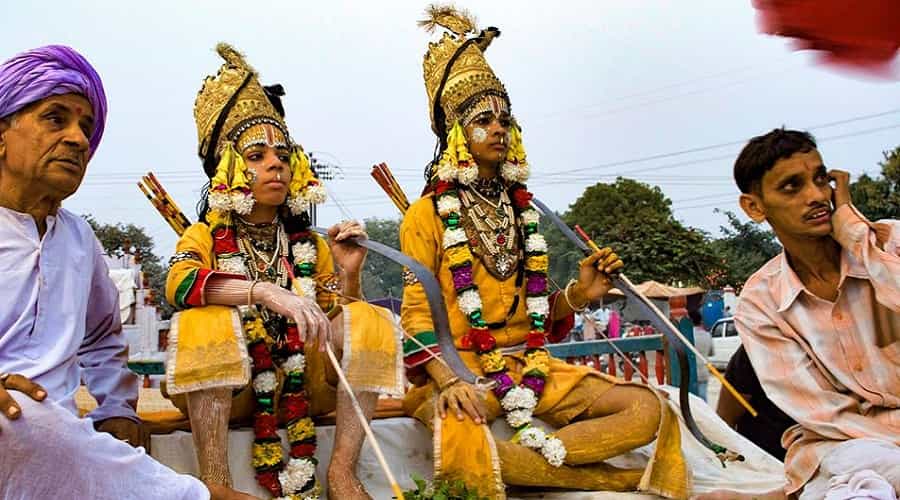
The celebration of Ram-Leela started by Maharaja Udit Narayan Singh in 1830, and today, its popularity has spread globally. A large number of Indian and foreign visitors gather during the celebration.
Buddha Purnima, Sarnath
- Significance: Marks Buddha’s first sermon at Sarnath, celebrating Buddhist teachings.
- Where: Sarnath, near Varanasi.
- When: Full moon day in April/May.
- Things to do: Visit the Buddhist temples, attend prayers, and explore the fair at Sarnath.
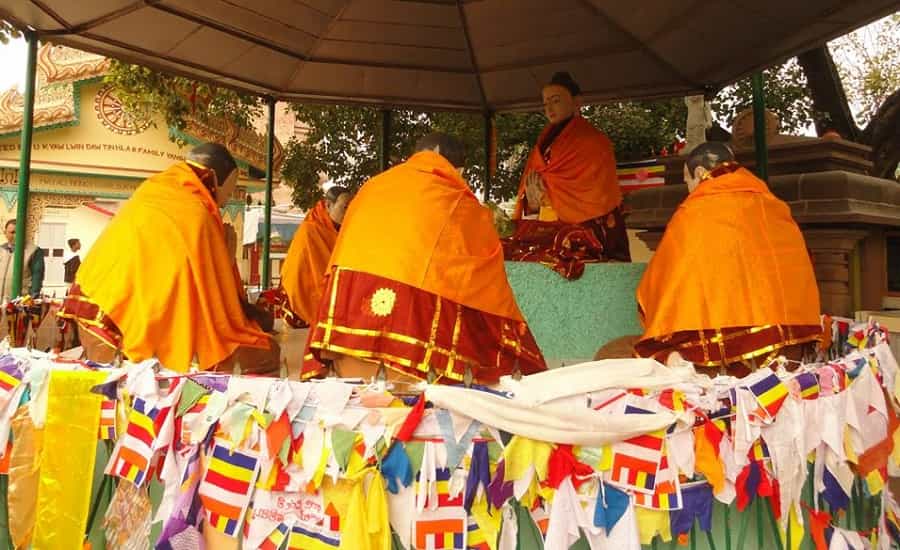

Sarnath is the place where Gautam Buddha first addressed the masses. Since then, it has been celebrated as a festival with Buddhist fervor. A grand fair is organized at Sarnath with the contributions of the people of Varanasi.
Dhrupad Mela
- Significance: Celebrates the traditional Dhrupad style of classical music.
- Where: Tulsi Ghat, Varanasi.
- When: Every year, in December.
- Things to do: Enjoy classical music performances, attend workshops, and interact with artists.
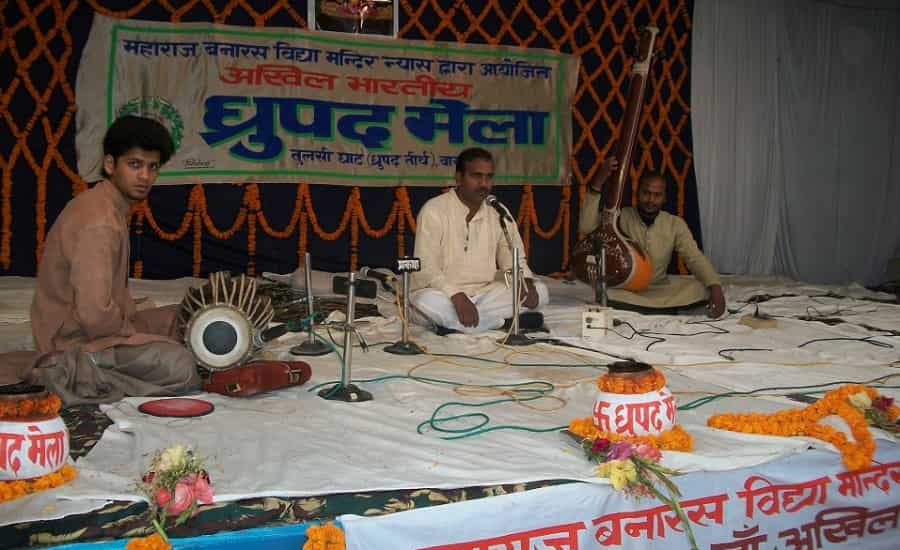
This is a seasonal musical festival where a large number of artists perform at Tulsi Ghat for five days. Each year, the number of foreign visitors attending the festival increases.
Bharat Milap ( Nati Imli)
- Significance: Celebrates Lord Rama’s return to Ayodhya and reunion with his brother Bharat.
- Where: Nati Imli, Varanasi.
- When: During Dussehra.
- Things to do: Watch re-enactments of the reunion, participate in celebrations with locals.
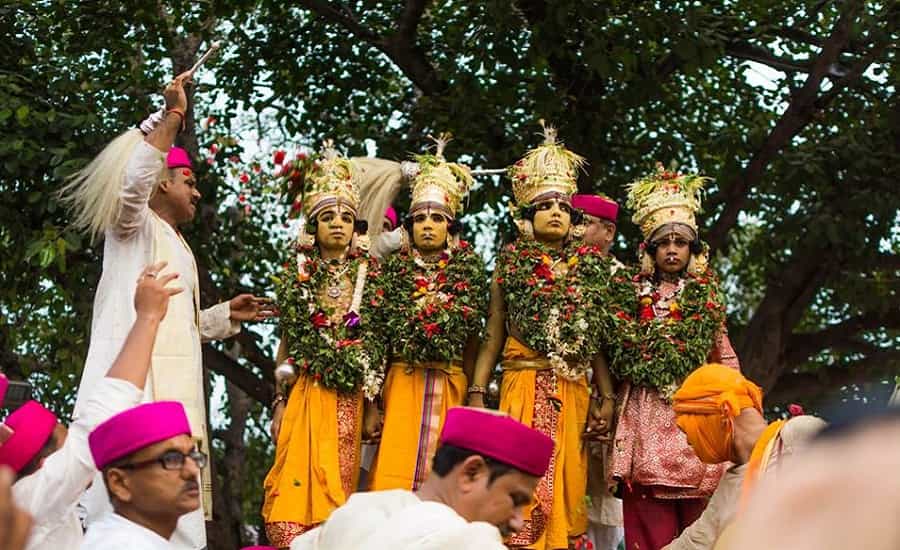
This festival is celebrated to mark Lord Rama’s return to Ayodhya after 14 years of exile and his reunion with his younger brother Bharat. It is organized during Dussehra to symbolize the victory of truth, and a large number of Hindu devotees participate in the celebrations.
Mahashivratri
- Significance: Devoted to Lord Shiva, marking a night of prayers and fasting.
- Where: Mahamrityunjaya Temple, Varanasi.
- When: February or March, depending on the lunar calendar.
- Things to do: Attend prayers, witness rituals, and visit Shiva temples.
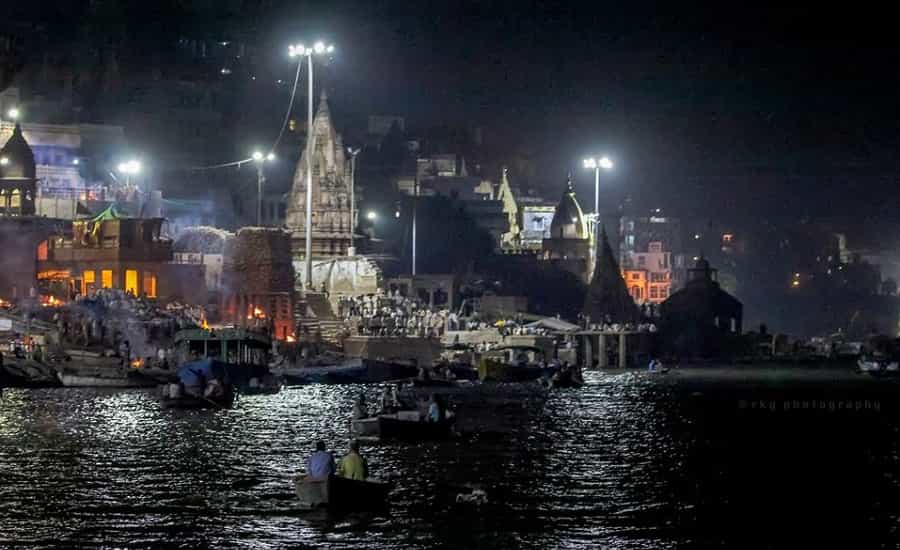
On this occasion, the famous Shiv temple, Mahamrityunjaya, is decorated, and splendid functions are arranged for Shiva devotees.
Nakkatayya
- Significance: Based on the Ramayana, where Lakshmana cuts off Surpanakha’s nose.
- Where: Streets of Chetgunj, Varanasi.
- When: During Dussehra.
- Things to do: Watch street performances, enjoy the lively reenactment of the story.
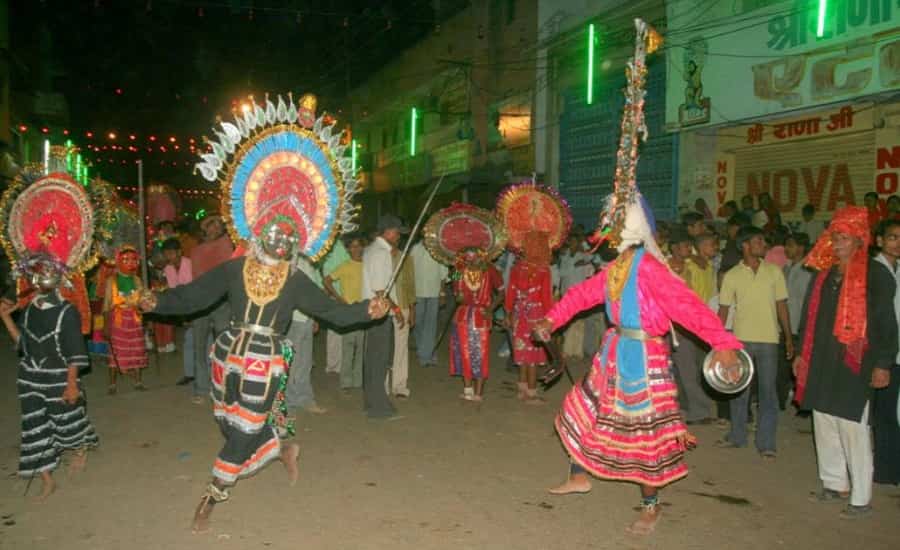
This fair is associated with an interesting story from the Ramayana, in which Surpanakha, the sister of Ravana, tries to entice Lord Rama. However, Lakshmana cuts her nose, and she returns to Ravana in tears. This act is performed by artists on stage in the streets of Chetgunj.
Nag Nathaiya Leela
- Significance: Celebrates Lord Krishna’s battle with the serpent king (Nag Raj).
- Where: Tulsi Ghat, Varanasi.
- When: During the month of November.
- Things to do: Attend the dramatization of the story, enjoy cultural performances along the Ganga.

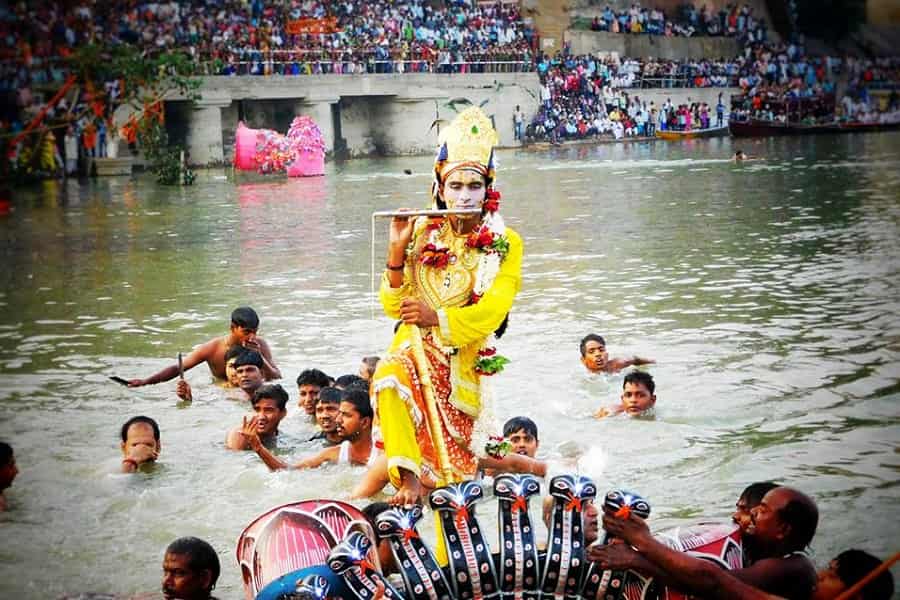
This festival is related to the story where Lord Krishna jumped into the Ganga to retrieve his ball and fought with the serpent king (Nag Raj) at Tulsi Ghat. It is popularly known as Nagnath Leela.
Hanuman Jayanti
- Significance: Celebrates the birth of Lord Hanuman, a key figure in Hindu mythology.
- Where: Sankat Mochan Temple, Varanasi.
- When: April.
- Things to do: Attend bhajans and prayers, participate in the temple festivities.
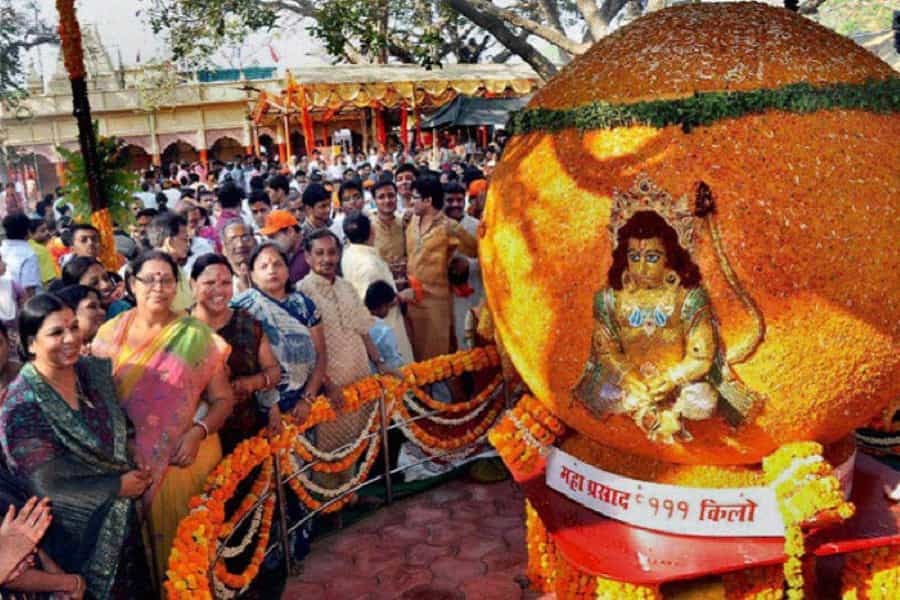
This cultural festival of Hindus is celebrated at the Sankat Mochan Temple, where devotees perform musical offerings for five days.
Panchkoshi Parikrama
- Significance: A sacred pilgrimage that covers five holy places around Varanasi.
- Where: Starts and ends at Manikarnika Ghat.
- When: Annually, during auspicious dates in the lunar calendar.
- Things to do: Walk the parikrama, visit the five sacred sites, and seek spiritual blessings.
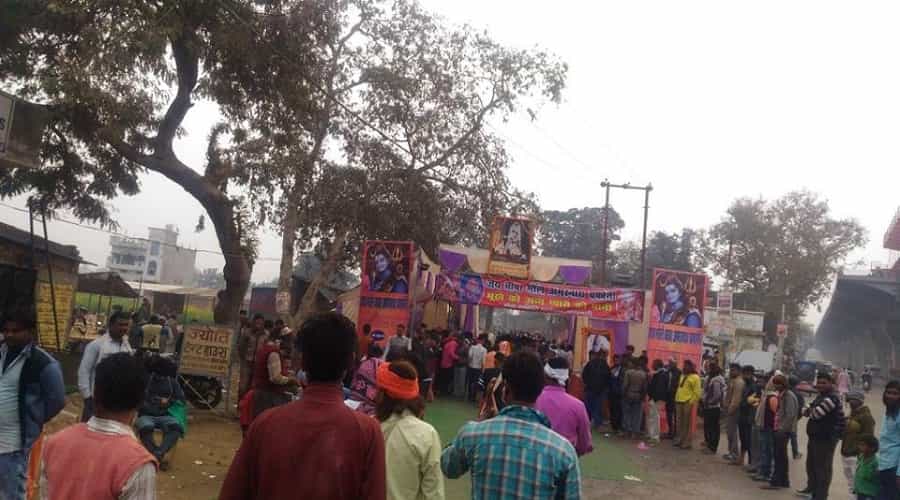
This holds special significance in the ancient parikrama (pilgrimage) of Indian history, starting and finishing at Manikarnika Ghat. Each Parikrama is completed by visiting five holy places: Bhim Chandi, Shivpur, Kapil Dhara, Kardmeshwar, and Rameshvar.
Ganga Mahotsav
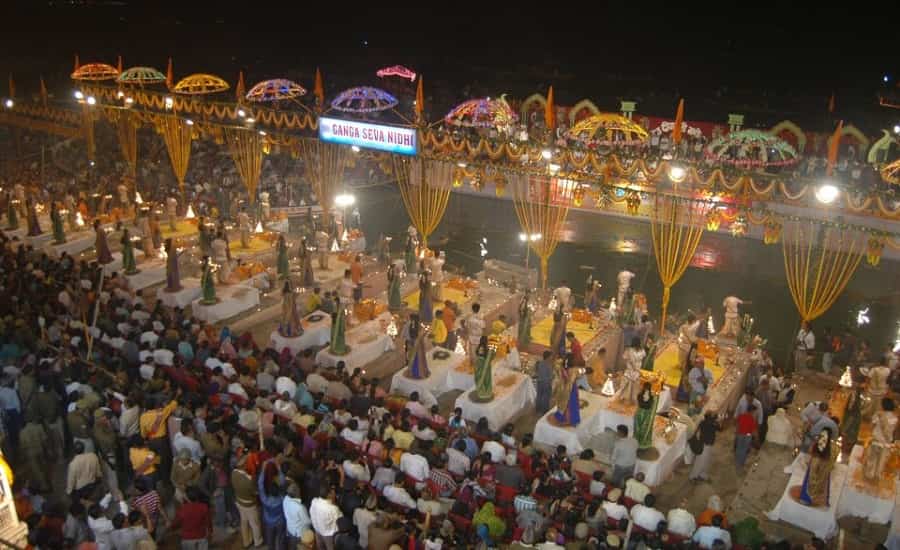
Ganga Mahotsav is one of the most popular festivals in Varanasi, celebrated every year from Prabodhini Ekadashi to Kartik Purnima in October and November. This festival showcases the rich heritage of Varanasi, and during the celebration, boat races and other events are arranged. It concludes with the Hindu festival of Dev Deepawali, where the entire city is illuminated with lamps (diyas).
These festivals, deeply connected to the city’s religious and cultural fabric, draw visitors from across India and around the world. Whether you’re interested in spiritual rituals, cultural performances, or experiencing the lively streets of Varanasi, there’s always something special happening in the city!