History
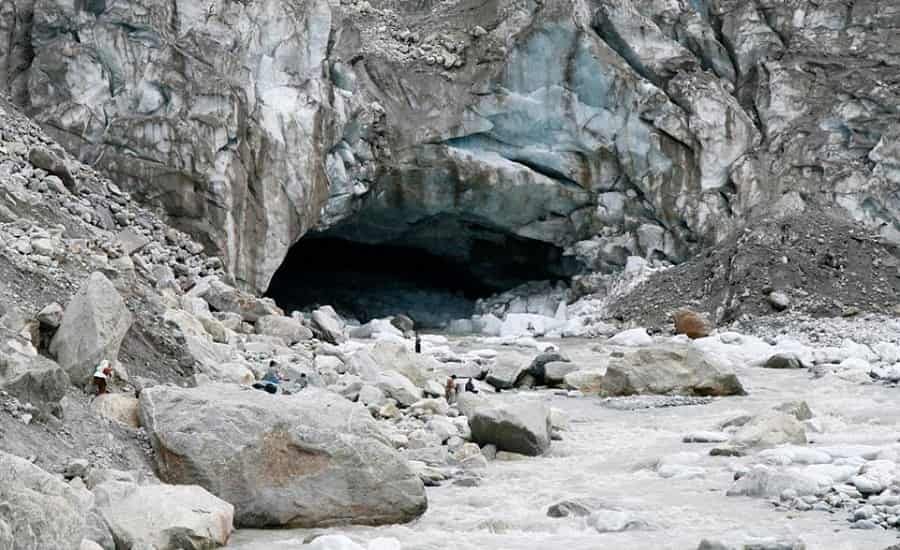
The terminus or snout of the Gangotri Glacier resembles a cow’s mouth; hence the place is called “Gomukh” or “Gaumukh”. There is a mention and mythological story about Gaumukh in the Puranas. It is said that a shepherd boy searching for his lost sheep reached near this glacier in Gangotri, the snout or terminus of which exactly looked like the mouth of a cow, and he started calling it “Gaumukh” and thus this place got its name. From then on, many saints, holy travelers, and religious pilgrims started visiting and worshipping this place.
In recent years, Gaumukh has gained additional attention due to environmental concerns surrounding the Gangotri Glacier. Studies have shown that the glacier is receding at a significant rate due to global warming, making it an essential focus for both religious and environmental preservation.
Religious Significance
The Gangotri glacier is a major Hindu pilgrimage site and is the primary source of the Bhagirathi River, making it an important tributary of the Ganges. Hindu devotees consider it a holy ritual to bathe in the icy waters near Gangotri town.
Gaumukh is one of the holiest places for Hindu pilgrims and Indian tourists who come here to witness the beauty and take blessings of Maa Ganga. It is situated at the Gangotri glacier and is thronged by devotees mainly for its serenity and pious mythological history. Gaumukh lies near the Tapovan meadow, and the entire place is extremely scenic and breathtaking. Gaumukh is not only a holy pilgrimage site but also a glacial trekking destination between Gaumukh and Tapovan, which is located within Uttarkashi district of Uttarakhand.
Gaumukh is often considered the cradle of North Indian Hindu mythology, primarily centered on the river Ganges, which reincarnated on Earth upon sage Bhagirathi’s insistence to purge his ancestors of their sins so they could travel to heaven. The primary tributary of the holy river Ganges, called the Bhagirathi, originates from Gaumukh. The end or terminus of the Gangotri glacier is in the shape of a cow’s mouth, and hence the name is given as “Gaumukh”.
Routes to Gaumukh
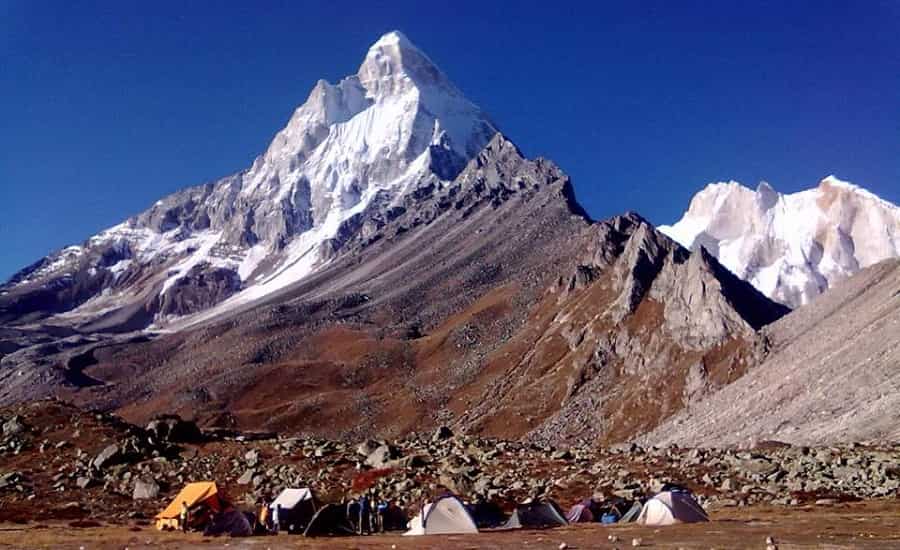
The Holy River Ganga is the most sacred river for the Hindus, and its source lies at Gaumukh in the Gangotri glacier, which measures about 30 kilometres. The Gangotri glacier is surrounded by mountain peaks belonging to the Gangotri Group of mountains like the Shivling, Thalay Sagar, Meru, and Bhagirathi III. The glacier follows a northwest route located below Chaukhamba Mountain, which is said to be the highest peak of the group. There occurs a long trekking trail of 18 kilometres that takes one to Gaumukh, the ancient source of the River Ganges, located at the snout or end of the Gangotri glacier.
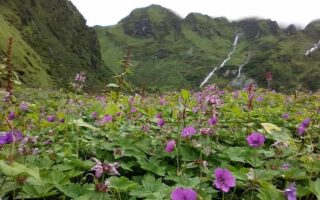
Trekking enthusiasts often extend their journey to Tapovan, a high-altitude meadow known for its stunning views of Shivling Peak and its spiritual significance. Tapovan is also home to several sages who meditate in its serene environment, adding a layer of mysticism to the trek.
How To Reach Gangotri
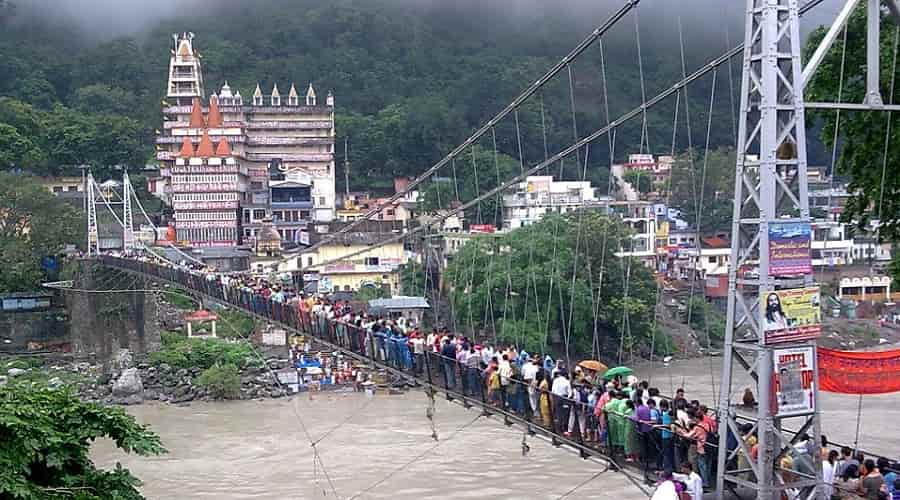
You need to travel first to Haridwar or Rishikesh from Delhi. There are numerous trains, flights, private as well as shared taxis, and buses to commute from Delhi to Haridwar and Rishikesh. Gangotri is near about 270 kilometres away from Rishikesh and can be reached from Rishikesh by early morning taxis and buses running from there.
As there are very few direct modes of transport, the whole journey from Gangotri to Gaumukh cannot be covered in one single day and requires a permit to trek around the surrounding places. You are required to take a break in the journey at Uttarkashi, which is about 170 kilometres from Rishikesh and is the place where you can get a permit for the Gaumukh trek.
You can also reach Uttarkashi from Haridwar, which is about 192 kilometres from Uttarkashi. You can opt for private or shared taxis or buses only to reach Uttarkashi from Haridwar, but no train services are available around these routes. The timing of buses from Haridwar to Uttarkashi is from 6 to 9 a.m. You can easily get buses or shared jeeps or taxis from Uttarkashi to go to Gangotri.
From Uttarkashi to Gangotri, most shared jeeps start around 6 a.m. till 10 a.m. The Gangotri to Gaumukh trek is not an easy one and is generally done as a 2-3 day trek with an overnight stay at Bhojwasa, which is 4 kilometres before Gaumukh. And from Bhojwasa, you can easily head over to Gaumukh and enjoy your final tour.
The Whole Trip Would go Like the Following Route
Delhi – Haridwar/Rishikesh – Uttarkashi – Gangotri – Bhojwasa – Gaumukh and Tapovan
A trip to Gangotri will rejuvenate your soul and give you a glimpse of divinity. Gaumukh glacier is one of the most spiritually moving sights you will ever see.