Uttarakhand, often called the Land of the Gods, is home to some of India’s oldest temples, colonial-era hill towns, and sites tied to major historical movements. Its history stretches from Mauryan-era rock edicts through the Katyuri and Chand dynasties to British colonial hill stations and the 20th-century Chipko Movement.
Beyond the well-known Char Dham circuit, these historical places in Uttarakhand offer a deeper look at the region’s Katyuri-era temple architecture, freedom movement history, and Himalayan heritage. This updated guide covers popular historical places in Uttarakhand.
Historical Places in Uttarakhand: Quick Reference
| Place | District | Known For |
| Dwarahat | Almora | Cluster of ancient Katyuri-era temples |
| Lohaghat | Champawat | Colonial-era hill town, Mayawati Ashram nearby |
| Narendra Nagar | Tehri Garhwal | Former Tehri royal capital (founded 1919) |
| Chamoli | Chamoli | Chipko Movement origin, gateway to Panch Prayag |
| Kausani | Bageshwar | Gandhi’s Anasakti Yoga, Himalayan viewpoints |
| Patal Bhuvaneshwar | Pithoragarh | Underground limestone cave temple |
| Gopeshwar | Chamoli | Ancient Gopinath Shiva temple |
| Jageshwar | Almora | Cluster of over 100 ancient stone temples |
| Dehradun | Dehradun | State capital, Ashokan rock edicts at Kalsi |
| Corbett National Park | Nainital | India’s first national park (1936) |
| Haridwar | Haridwar | Ganga Aarti, Har Ki Pauri |
| Mussoorie | Dehradun | Colonial hill station, ‘Queen of the Hills’ |
| Nainital | Nainital | Naina Devi Shakti Peeth, lake town |
| Binsar | Almora | Former Chand dynasty capital, wildlife sanctuary |
| Bageshwar | Bageshwar | Sacred Sarayu-Gomti river confluence |
| Baijnath | Bageshwar | 12th-century Katyuri-era Shiva temple |
A Brief History Timeline of Uttarakhand
Understanding roughly how these historical places in Uttarakhand fit together in time helps make sense of why the region has such a dense cluster of ancient temples alongside colonial hill towns:
| Period | Key Development |
| Ancient period | Early Himalayan settlements; Kedarkhand and Manaskhand described in the Skanda Purana |
| 3rd century BCE | Mauryan influence reaches the region — Ashokan rock edict inscribed at Kalsi |
| 7th–12th century CE | Katyuri dynasty rules much of Garhwal and Kumaon; Jageshwar, Baijnath, Gopeshwar, Katarmal, and Dwarahat temples built or expanded |
| 12th–18th century | Chand dynasty rises in Kumaon (capital eventually at Almora, earlier at Binsar); Garhwal Kingdom rules separately in the west |
| Late 18th century | Gorkha rule spreads across the region (1791–1815) |
| 1815 onward | British rule begins after the Anglo-Nepalese War; hill stations like Mussoorie, Nainital, and Lohaghat developed as colonial retreats |
| 1919 | Narendra Nagar founded as the new capital of the princely state of Tehri Garhwal |
| 1936 | Corbett National Park established as Hailey National Park — India’s first national park |
| 1973 | Chipko Movement begins in Reni village, Chamoli district |
| 2000 | Uttarakhand formed as a separate state, carved out of Uttar Pradesh |
1. Dwarahat
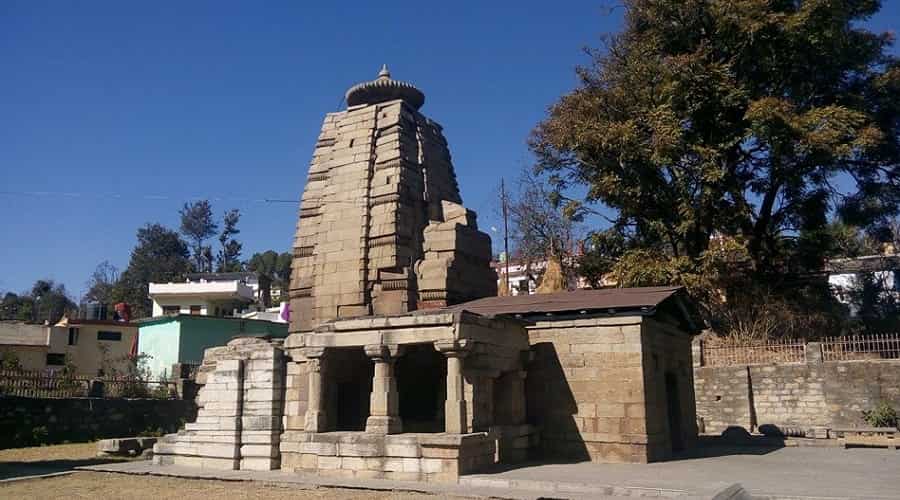
Dwarahat, in Almora district, is home to a remarkable cluster of more than 50 ancient temples built primarily by the Katyuri dynasty between the 9th and 13th centuries, in the Nagara style of temple architecture typical of the Himalayan region. The temples are spread across several groups, including the Kachahri, Mrityunjaya, and Gujar Dev clusters, each showcasing detailed stone carving.
2. Lohaghat
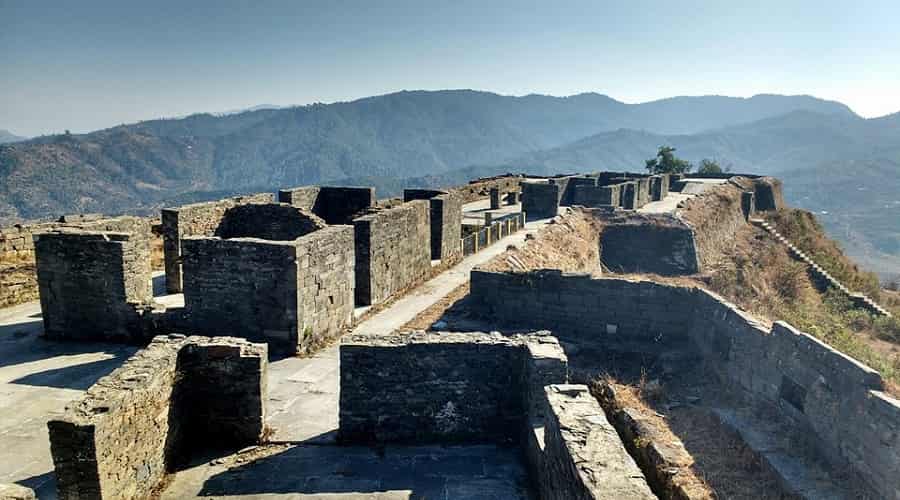
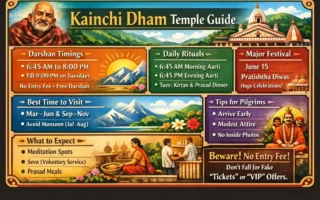
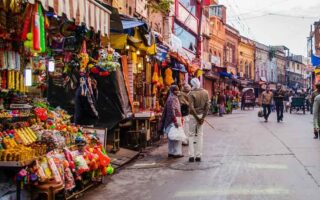
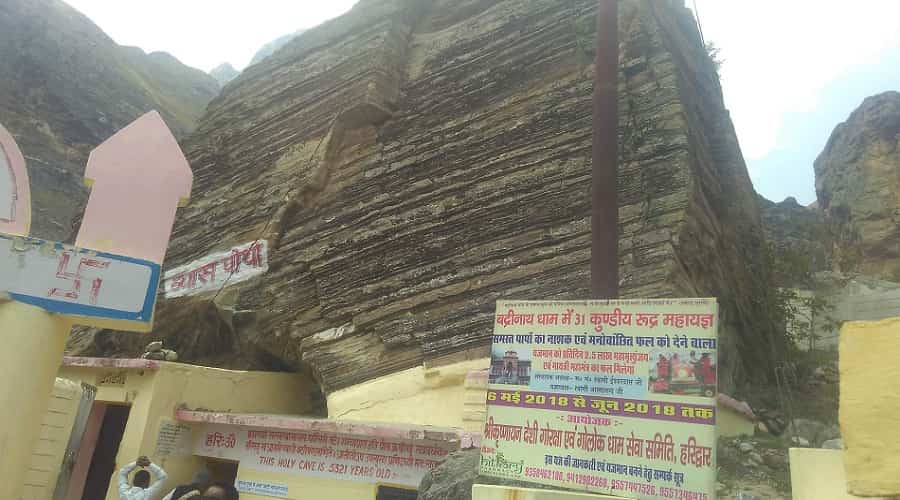
Lohaghat, in Champawat district, is a quiet colonial-era hill town on the banks of the Lohawati River. It’s close to the Mayawati Ashram, associated with Swami Vivekananda, and makes a peaceful base for exploring the wider Kumaon region.
- Also Read: Top 5 Places To Visit In Lohaghat
Narendra Nagar
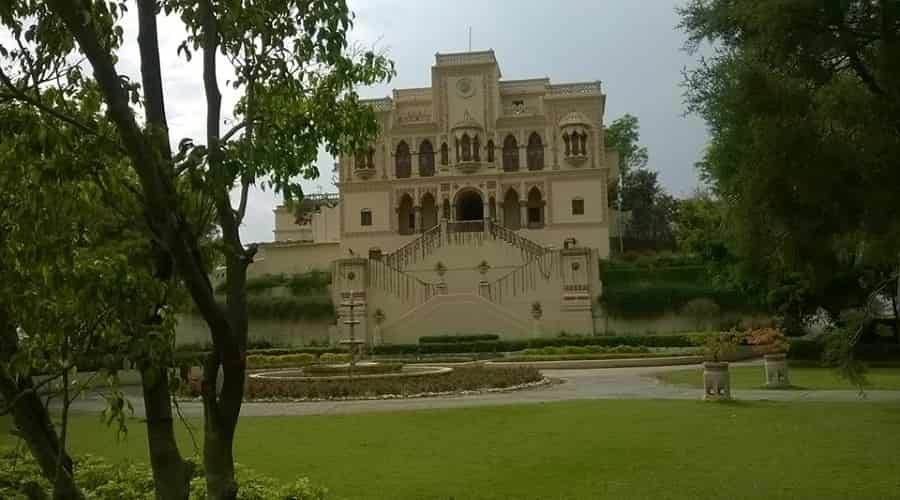
Narendra Nagar, in Tehri Garhwal district, was founded in 1919 by Raja Narendra Shah as the new capital of the princely state of Tehri Garhwal, replacing the old capital that now lies submerged under the Tehri Dam reservoir. The town’s royal palace and planned layout reflect its origins as a purpose-built capital.
Chamoli
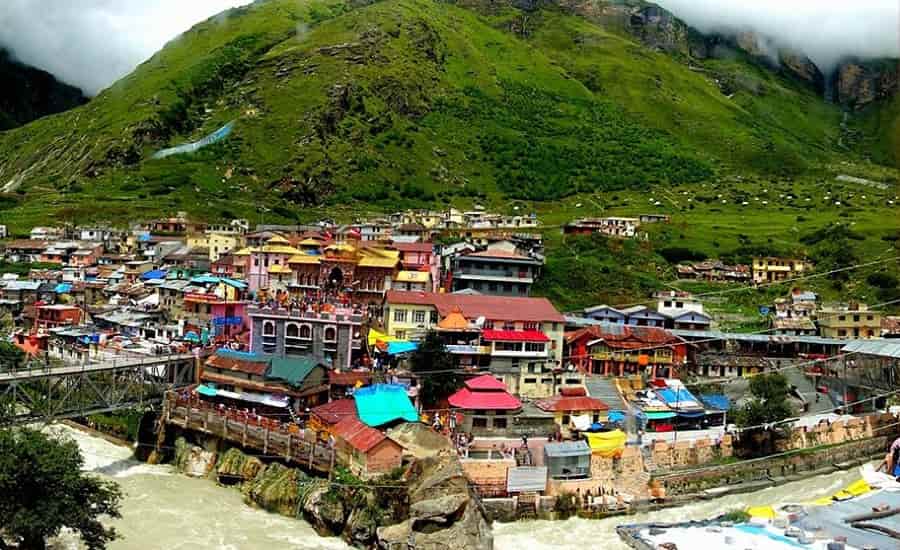
Chamoli district sits within the wider Himalayan region traditionally described in the Skanda Purana as ‘Kedarkhand,’ a sacred landscape encompassing much of Garhwal rather than a name specific to the town of Chamoli alone. The district is historically significant as the birthplace of the Chipko Movement, which began in Reni village in 1973 when local villagers, led by figures like Gaura Devi, embraced trees to stop commercial logging.
Chamoli district is also home to three of the five Panch Prayag river confluences — Vishnuprayag, Nandprayag, and Karnaprayag — making it a key stop for pilgrims travelling the Char Dham route.
Kausani
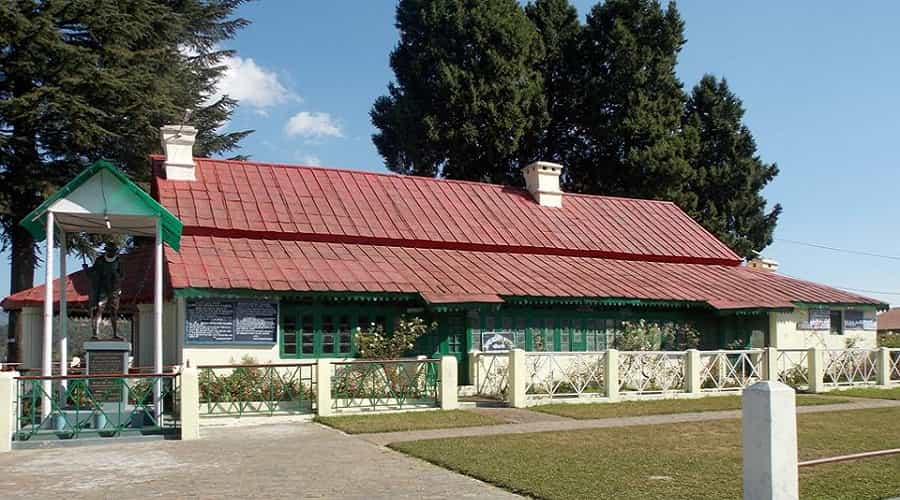
Kausani, in Bageshwar district, is best known as the place where Mahatma Gandhi spent time in 1929 and wrote his commentary on the Bhagavad Gita, Anasakti Yoga. It’s also the birthplace of the noted Hindi poet Sumitranandan Pant, and offers wide Himalayan viewpoints, including of the Nanda Devi and Trishul peaks.
- Must Read: Best Places to Visit in Kausani
Patal Bhuvaneshwar Caves
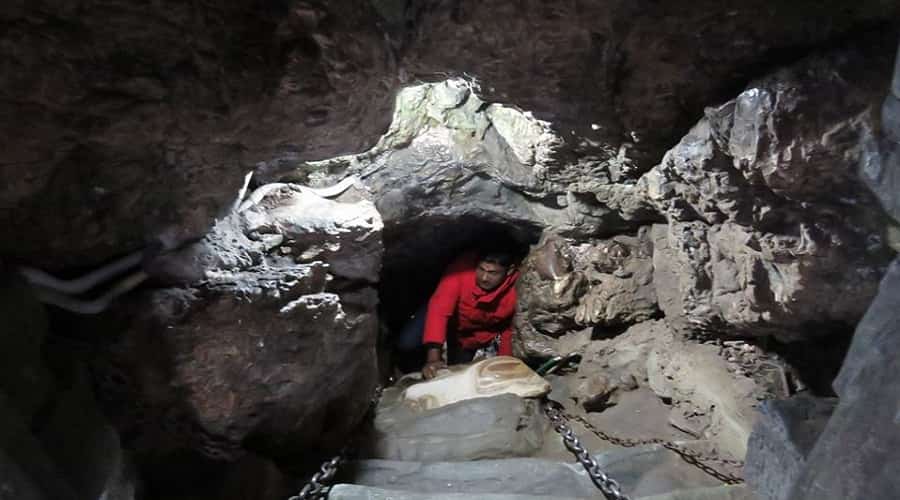
Patal Bhuvaneshwar, in Pithoragarh district, is a network of limestone caves containing naturally formed rock structures that devotees associate with various Hindu deities. According to local legend, the Pandava brothers are said to have taken refuge here after being exiled from their kingdom — a belief rooted in tradition rather than documented history, but central to the site’s spiritual significance.
- Also Reads on: Best Caves to Visit in Uttarakhand
Gopeshwar
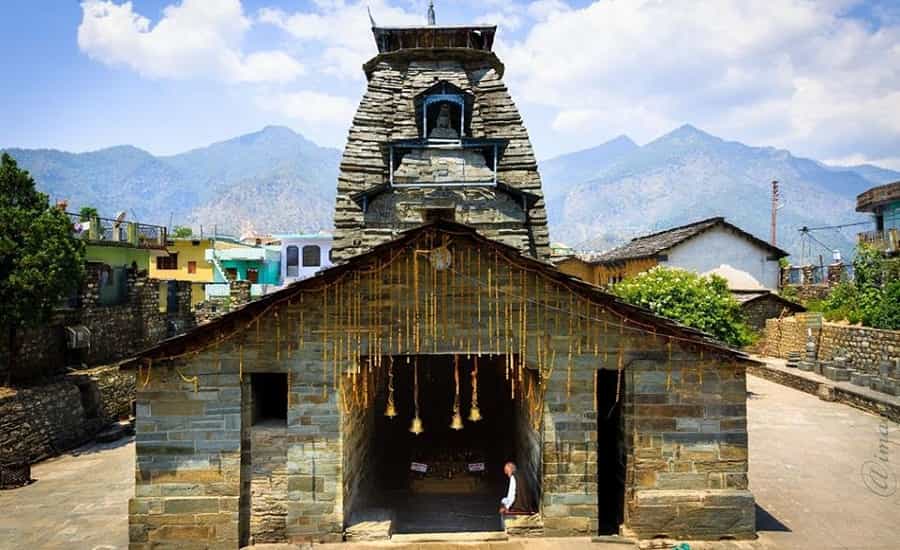
Gopeshwar, the headquarters of Chamoli district, is home to the ancient Gopinath Temple, dedicated to Lord Shiva. The town’s name is linked to a popular legend involving Lord Krishna: it’s said that Shiva, wanting to witness Krishna’s celestial raas in Vrindavan — an event open only to gopis — disguised himself as a gopi to attend, and Krishna welcomed him as ‘Maharaj Gopeshwar.’ While the town’s name carries this Krishna connection through legend, the temple itself and its presiding deity are dedicated to Shiva, not Krishna.
The temple, built between the 9th and 11th centuries by the Katyuri kings, houses a five-metre trident in its courtyard with inscriptions dating to the 12th century, and serves as the winter seat of the Rudranath deity from the Panch Kedar circuit.
Jageshwar
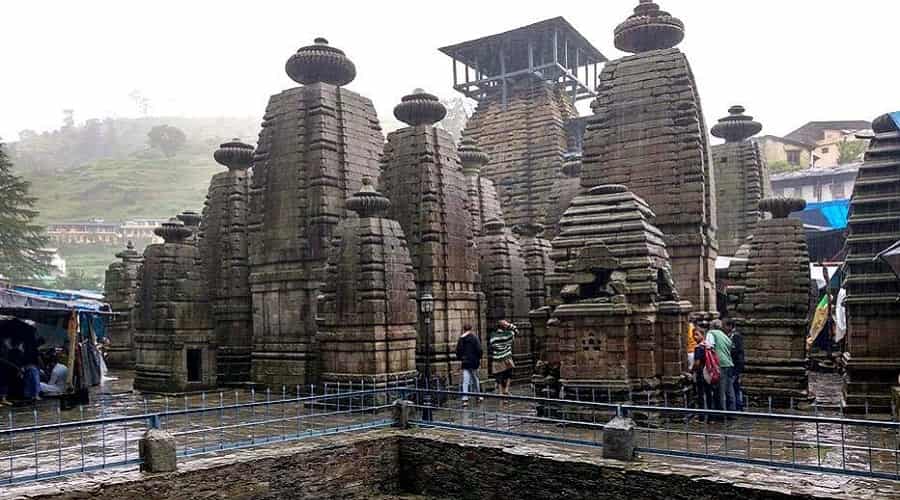
Jageshwar, near Almora, is a cluster of more than 100 ancient stone temples set among deodar forests, protected and maintained by the Archaeological Survey of India. The temples span a wide construction period, with the earliest structures estimated at around the 7th century and others built as late as the 12th to 14th centuries — meaning the oldest shrines are roughly 1,300–1,400 years old, rather than the 2,500 years sometimes claimed in older tourism material.
Jageshwar is regarded by local and regional tradition as one of the Jyotirlingas of Lord Shiva, though it isn’t part of the classical, pan-India list of twelve Jyotirlingas recognised in most Hindu religious texts — a distinction worth knowing if you’ve read about the ’12 Jyotirlingas’ elsewhere.
Dehradun
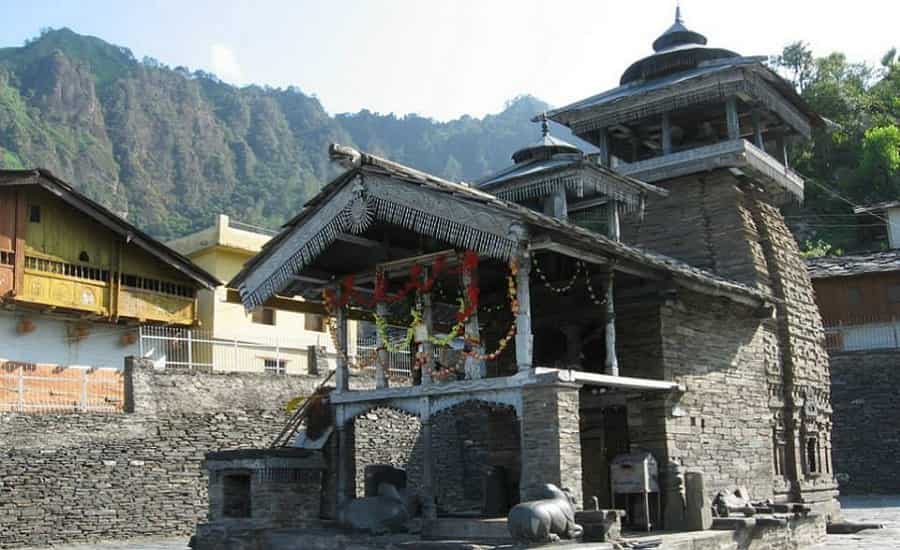
Dehradun, now Uttarakhand’s capital, has passed through the hands of several rulers over the centuries, including Garhwal kings, Gorkha rulers, and the British, who administered it as part of the United Provinces before it eventually became part of independent India’s Uttar Pradesh and later Uttarakhand in 2000.
Nearby Kalsi deserves its own mention as a major historical site: it’s home to one of Emperor Ashoka’s rock edicts, inscribed in the 3rd century BCE in Brahmi script. It’s one of the few sites in the Himalayan foothills confirming Mauryan-era administrative reach this far north, making it one of the oldest dated historical inscriptions in the entire region.
- Suggested to Read: Popular Tourist Places To Visit In Dehradun
Corbett
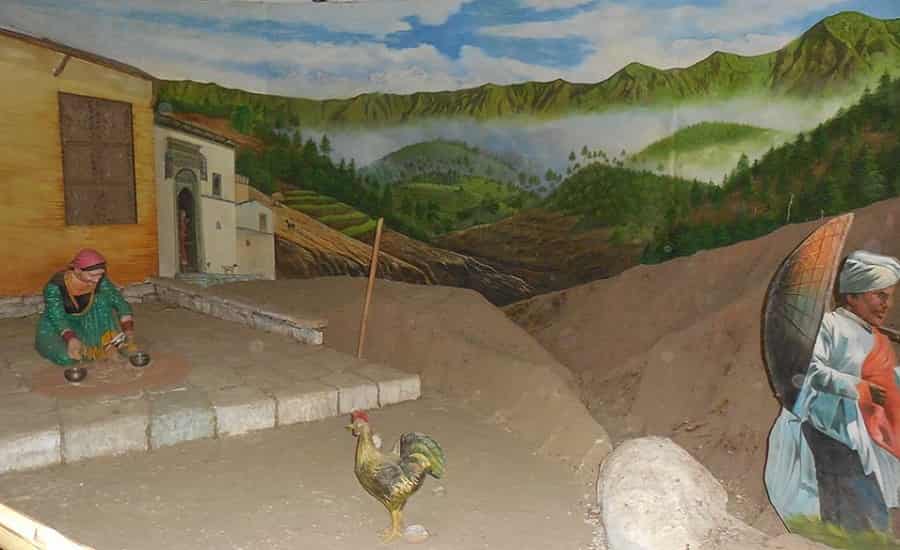
Established in 1936 as Hailey National Park, Corbett is India’s oldest national park and was later renamed after hunter-turned-conservationist Jim Corbett. Its inclusion on a list of historical places is earned as much by this conservation history as by wildlife — it represents the birth of formal wildlife protection policy in India. It remains one of India’s premier tiger reserves, with tiger numbers that are periodically reassessed through official census counts, alongside elephants, leopards, and more than 600 recorded bird species.
Other Interests at Corbett
- Jungle safaris across multiple forest zones (Dhikala, Bijrani, Jhirna, and others)
- Birdwatching along the Ramganga River
- Riverside camping in designated eco-tourism zones
Check out: Best Things To Do In Jim Corbett
Haridwar
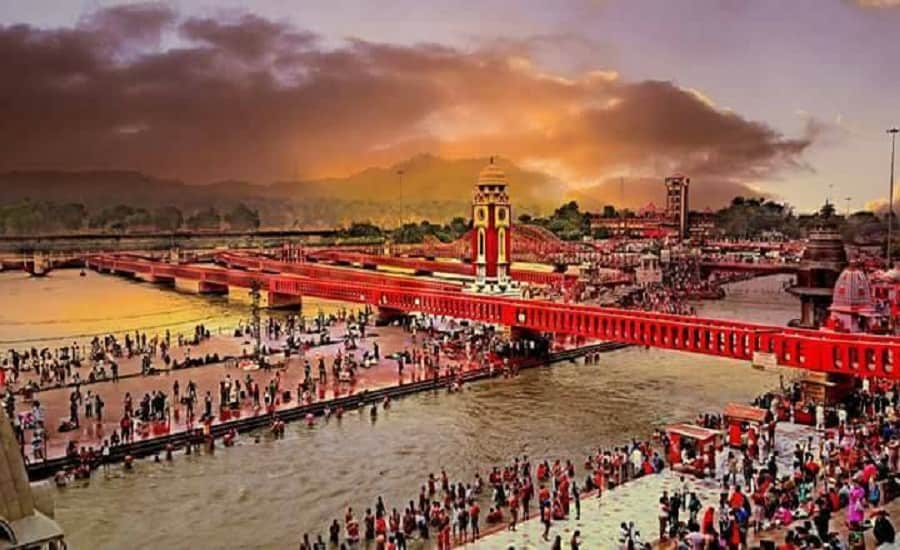
Haridwar, one of Hinduism’s seven holiest cities, takes its name from ‘Hari’ (a name of Lord Vishnu) and ‘Dwar’ (gateway) — literally, the gateway to Vishnu, though the city is equally associated with Lord Shiva in local tradition. Historically, it has served as a gateway to the Himalayas for centuries of pilgrims heading toward the Char Dham shrines, and its ghats have hosted the Kumbh Mela, one of the world’s largest religious gatherings, once every twelve years.
Other Interests at Haridwar
- Evening Ganga Aarti at Har Ki Pauri
- Mansa Devi and Chandi Devi temples, reachable by cable car
- Rishikesh day trips for yoga ashrams and river rafting
Check out: BEST Places to Visit in Haridwar
Mussoorie
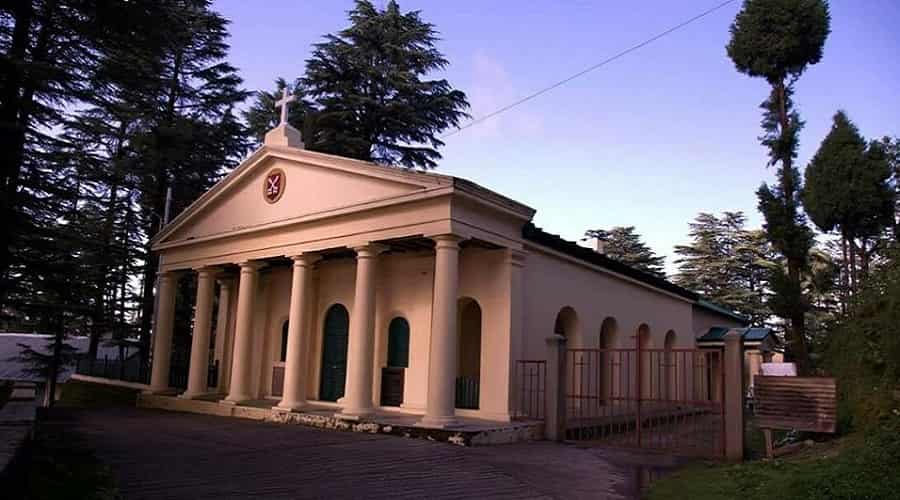
Mussoorie, developed by the British in the early 19th century as a hill station retreat, is often called the ‘Queen of the Hills.’ Its colonial-era architecture — including old churches, the Mall Road promenade, and heritage properties like the Savoy Hotel — reflects more than a century of use as a summer retreat for British administrators, and later for Indian officials and travellers after independence.
Nainital
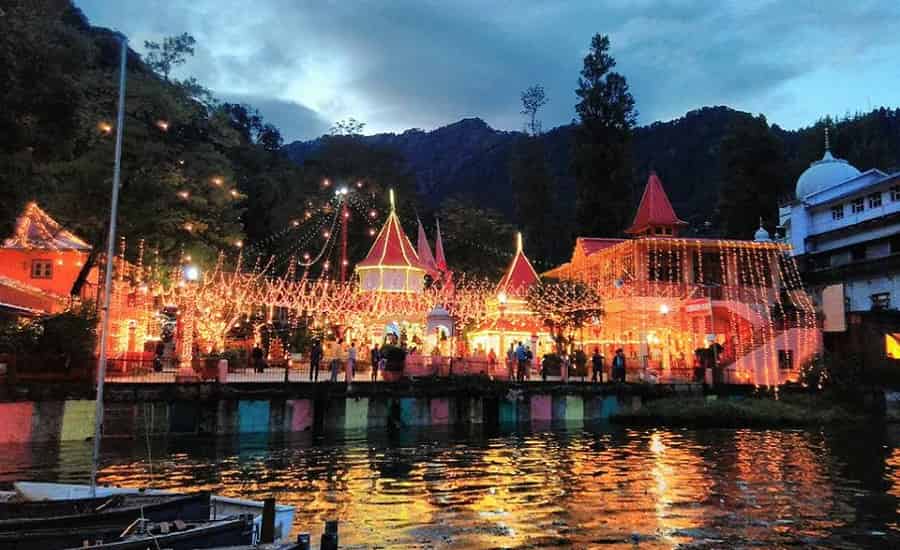
Nainital, centred around the crescent-shaped Naini Lake, is home to the Naina Devi Temple, popularly regarded as one of the Shakti Peethas associated with the goddess Sati. The wider Kumaon region, including Nainital, is traditionally referred to in Hindu texts as ‘Manaskhand,’ linked to legendary sages said to have meditated in the area.
- Must Reads on: Top Tourist Places to Visit in Nainital
Binsar
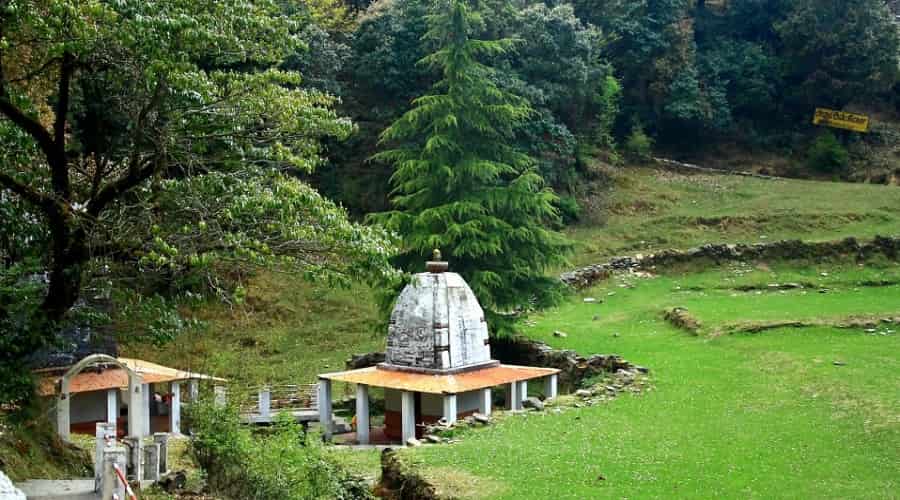
Binsar, in Almora district, once served as a capital of the Chand dynasty before Almora took over that role, making it historically significant well beyond its present-day reputation as a wildlife and nature destination. Today it’s better known for the Binsar Wildlife Sanctuary and the ancient Bineshwar Mahadev Temple, along with sweeping views of the Himalayan range, including Nanda Devi and Kedarnath peaks on a clear day.
Bageshwar
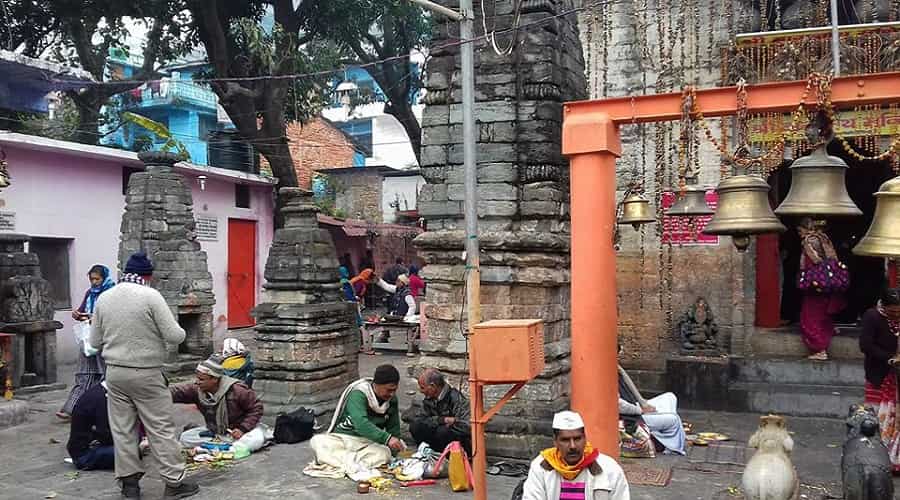
Bageshwar sits at the sacred confluence of the Sarayu and Gomti rivers, considered an important pilgrimage spot in local Shaivite tradition. The town’s Bagnath Temple, dedicated to Lord Shiva, gives the town its name and remains its central religious landmark.
Baijnath
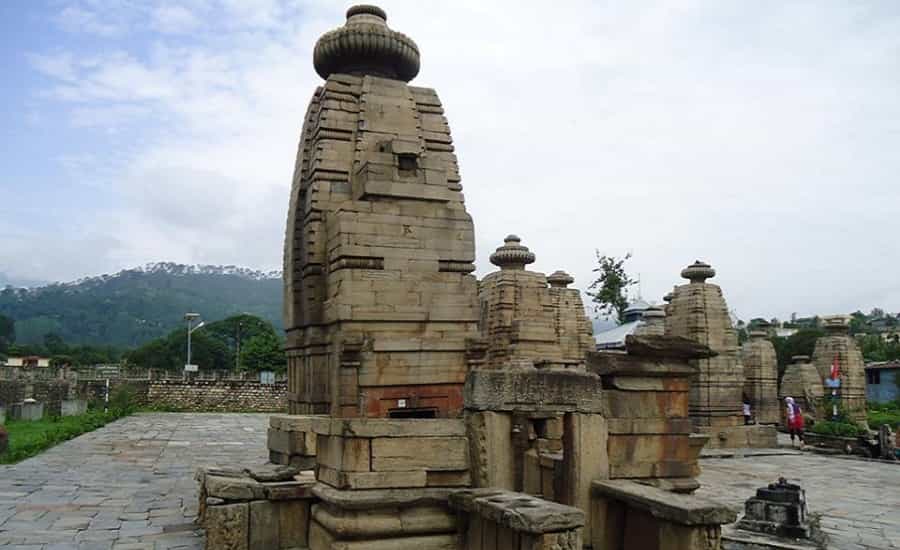
Baijnath is a historic temple town in its own right in Bageshwar district, located roughly 19 km from Kausani and about 26 km from Bageshwar town — not inside Kausani itself, a common point of confusion in older travel write-ups. Once the capital of the Katyuri dynasty under the name Kartikeyapura, Baijnath is home to a well-preserved 12th-century temple complex dedicated to Shiva as Vaidyanath (Lord of Healers), built in the Katyuri-era Nagara style on the banks of the Gomti River.
Other Major Historical Sites Worth Exploring
Beyond this list of 16, a few other sites are significant enough that heritage travellers shouldn’t miss them, even if they fall outside today’s main circuit:
Lakhamandal
Lakhamandal, in the Jaunsar-Bawar region of Dehradun district, is an ASI-protected Shiva temple complex with structural evidence dating back to the 5th–8th century CE, though the main surviving temple was built in the 12th–13th century in Nagara style. A 6th-century stone inscription records that the temple was built by princess Ishwara for the spiritual welfare of her late husband. Local legend also links the site to the Mahabharata, as the supposed location of the Lakshagriha (wax palace) where Duryodhana attempted to burn the Pandavas alive.
Katarmal Sun Temple
Katarmal Sun Temple, about 19 km from Almora at an elevation of roughly 2,116 metres, was built in the 9th century by the Katyuri king Katarmalla. Dedicated to the sun god (Surya, also called Burhadita here), the temple is oriented so that the first rays of sunrise strike its inner sanctum, and its wooden door carvings are often described as among the finest surviving examples of Katyuri-era woodwork — sometimes called the second most notable Sun Temple in India after Konark, though this is a matter of popular opinion rather than an official ranking.
Adi Badri Temple Group
Adi Badri, in Chamoli district, is a cluster of ancient temples — most sources cite around 16 shrines — dating to the Gupta era, and is considered part of the Panch Badri group of Vishnu temples. Its main shrine, the Narayan Temple, houses a black stone Vishnu idol. Tradition links the site to Adi Shankaracharya’s revival of temple worship in the region, though some further legends associated with the site, such as its connection to the writing of the Bhagavad Gita, are matters of local belief rather than documented history.
Historical Facts vs Local Legends
Many of these historical places in Uttarakhand carry both documented history (temple construction dates, dynasties, ASI records) and local legends passed down through generations. This guide tries to separate the two clearly:
- Documented history: temple construction periods (Katyuri, Gupta, colonial-era dates), ASI protection status, and events like the Chipko Movement or the founding of Narendra Nagar
- Local legend and tradition: stories like the Pandavas at Patal Bhuvaneshwar and Lakhamandal, Shiva’s disguise at Gopeshwar, and the Jyotirlinga status claimed for Jageshwar — all meaningful to local faith and worth knowing, but not independently verifiable historical fact
Comparing Uttarakhand’s Ancient Temples and Sites
| Place | Century Built | Dynasty/Builder | District |
| Dwarahat Temples | 9th–13th century | Katyuri | Almora |
| Gopeshwar (Gopinath Temple) | 9th–11th century | Katyuri | Chamoli |
| Jageshwar Temples | 7th–14th century | Katyuri and later | Almora |
| Baijnath Temple | 12th century | Katyuri | Bageshwar |
| Katarmal Sun Temple | 9th century | Katyuri (King Katarmalla) | Almora |
| Lakhamandal | 5th–13th century (earliest evidence to main structure) | Various; earliest inscription 6th century | Dehradun |
| Adi Badri Temple Group | Gupta era | Traditionally linked to Adi Shankaracharya’s revival | Chamoli |
| Kalsi Ashokan Edict | 3rd century BCE | Mauryan Empire (Ashoka) | Dehradun |
Best Time to Visit Historical Places in Uttarakhand
March to June and September to November are generally the best months, offering clear skies and comfortable temperatures for exploring temple complexes and hill towns alike. Winters (December–February) suit lower-altitude sites like Haridwar and Dehradun well, but higher places like Binsar and Kausani can get very cold, with occasional snowfall.
How to Reach These Historical Places in Uttarakhand
- By Air: Jolly Grant Airport, Dehradun, is the main gateway for western Uttarakhand; Pantnagar Airport serves the Kumaon region better for places like Nainital, Kausani, and Jageshwar
- By Rail: Haridwar and Dehradun are the main railheads for Garhwal-region sites; Kathgodam is the nearest railhead for Kumaon sites like Nainital, Almora, and Jageshwar
- By Road: Most of these historical places in Uttarakhand are connected by state highways, though hill routes to places like Binsar, Jageshwar, and Dwarahat involve winding mountain roads best driven in daylight
Travel Tips for Exploring Uttarakhand’s Historical Places
- Combine nearby sites where possible — Kausani, Baijnath, and Bageshwar sit close together and work well as a single loop
- Carry warm layers even in summer when visiting higher-altitude sites like Binsar and Kausani
- Respect photography restrictions at active temple sanctums, particularly at Gopeshwar, Jageshwar, and Baijnath
- Start hill-road drives early in the day, since many of these routes are narrow, single-lane mountain roads
Sources and Further Reading
This guide draws on temple and heritage information from the Archaeological Survey of India’s protected monuments list, Uttarakhand Tourism resources, and multiple independent heritage references, cross-checked for consistency. For visiting hours, entry rules, or restoration updates at any ASI-protected site mentioned here, the ASI’s regional circle office or the Uttarakhand Tourism website are the most reliable sources to confirm details closer to your visit.
Frequently Asked Questions
Q: What is Uttarakhand famous for historically?
A: Ancient Katyuri-era temples, colonial hill stations, the Chipko Movement, and its role in the Char Dham pilgrimage tradition.
Q: Which is the oldest historical site in Uttarakhand?
A: The Kalsi Ashokan rock edict, from the 3rd century BCE, is among the oldest dated historical sites; Jageshwar’s oldest temples date to around the 7th century CE.
Q: Is Baijnath temple located in Kausani?
A: No, Baijnath is a separate town in Bageshwar district, about 19 km from Kausani.
Q: Is Jageshwar one of the 12 Jyotirlingas?
A: It’s regarded as a Jyotirlinga in local tradition, but it isn’t part of the classical list of twelve Jyotirlingas.
Q: Which deity is worshipped at Gopeshwar’s main temple?
A: Lord Shiva, at the ancient Gopinath Temple, though the town’s name is linked to a Krishna legend.
Q: When was Corbett National Park established?
A: In 1936, as Hailey National Park — making it India’s first national park.
Q: Which historical places in Uttarakhand are ASI-protected?
A: Jageshwar, Katarmal Sun Temple, Lakhamandal, Baijnath Temple, and Patal Bhuvaneshwar are all ASI-protected monuments, among others.
Q: What is Chamoli district known for historically?
A: The birthplace of the Chipko Movement in 1973, and home to three of the five Panch Prayag river confluences.
Q: Which Uttarakhand hill town is linked to Mahatma Gandhi?
A: Kausani, where Gandhi wrote his commentary on the Bhagavad Gita, Anasakti Yoga, in 1929.
Q: Can I visit multiple historical places in Uttarakhand in one day?
A: Nearby clusters like Kausani–Baijnath–Bageshwar or Almora–Jageshwar–Katarmal can realistically be covered together in a day.
Q: What is the best time to visit historical places in Uttarakhand?
A: March to June and September to November, for clear skies and comfortable travel weather.
Q: Was Narendra Nagar a former royal capital?
A: Yes, founded in 1919 by Raja Narendra Shah as the new capital of the princely state of Tehri Garhwal.
Conclusion
From Katyuri-era temple clusters at Dwarahat and Jageshwar to Gandhi’s Himalayan retreat at Kausani and the Ashokan edict at Kalsi, these historical places in Uttarakhand offer a rich, often underexplored side of the state beyond its famous pilgrimage routes. With accurate historical details, a clear timeline, and practical travel information, this guide should help you plan a trip that goes well beyond the standard hill-station itinerary.
Lohaghat is a major spiritual place in Uttarakhand associated with historical and mythological significance. Thank you to provide a valuable guide about lohaghat.