Locations Where the Kumbh Mela is Held
-
Haridwar: The Kumbh Mela is held in Haridwar, one of the holiest cities by the banks of the River Ganga, when Jupiter enters Aquarius and the Sun is in Aries during the Hindu month of Chaitra, which usually falls around March-April.
-
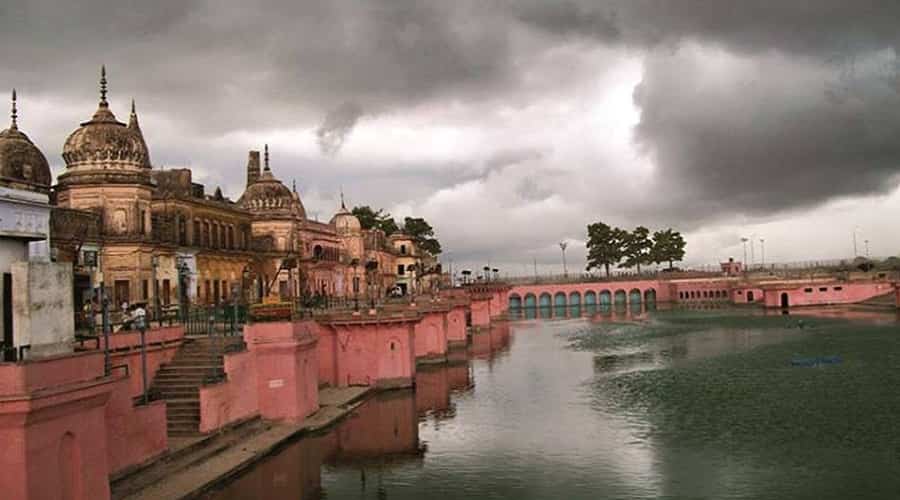
Allahabad: In Allahabad, situated on the banks of the Ganga and Yamuna, the Kumbh Mela takes place when Jupiter transits Aries and the Sun is in Aries, typically during January-February.
-
Ujjain: In Ujjain, by the banks of the Shipra River, the Kumbh Mela is held when Jupiter enters Leo and the Sun is in Aries, or when Jupiter, Moon, and Sun align in Libra, usually in April-May.
-
Nashik: In Nashik, on the banks of the Godavari River, the Kumbh Mela occurs when both Jupiter and the Sun enter Leo, typically in August-September.
The Kumbh Mela is held only once every 12 years at any given location.
Kumbh Mela Significance
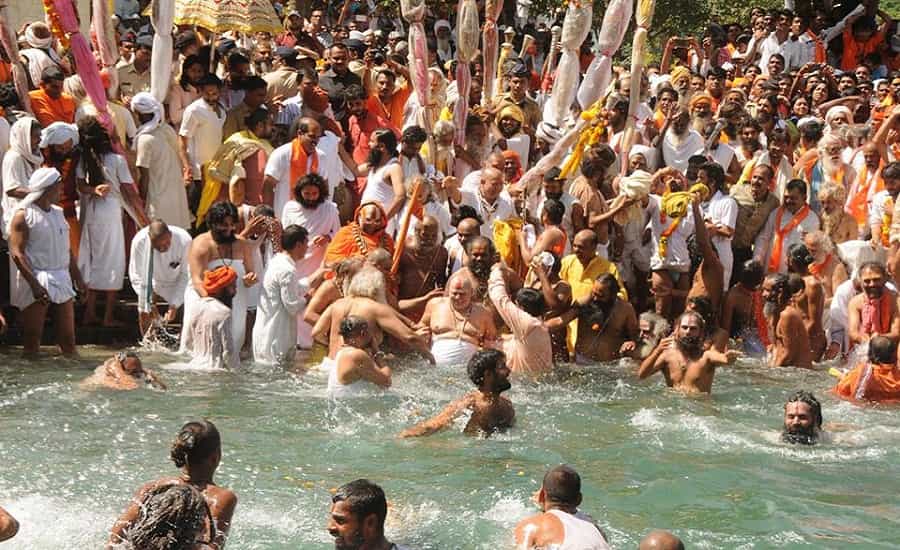
The Kumbh Mela holds immense religious and spiritual significance. It is celebrated at a time when the conjunctions of planets are believed to be auspicious. During the Mela, millions bathe in the holy rivers, a ritual believed to cleanse them of sins and free them from the eternal cycle of life and death. According to belief, one who dies during the Mela on these auspicious days is said to attain Moksha or go directly to heaven. This deep-rooted belief has led some devotees to end their lives by immersing themselves in the holy waters.
The word Kumbh means “pot” or “pitcher,” and when Jupiter enters Aquarius, it carries symbolic meaning. In a broader sense, the pot represents the Earth and everything contained within it, including the human body.
Kumbh Mela History and Legend
The Kumbh Mela is as ancient as time itself, with references to it found in the Vishnu Purana, Ramayana, Mahabharata, and Bhagavata Purana. According to legend, the gods lost their strength and sought the help of Vishnu. He directed them to churn the ocean to bring up a pot of nectar, which would bestow immortality. The gods, in collaboration with the demons, churned the ocean for a thousand years and finally brought up the pot. However, a fight ensued as the gods wanted to keep the nectar for themselves. Vishnu intervened and took the pot, spilling a few drops at four places that are now the sites of the Kumbh Mela. Different versions of the story exist, but the essence remains the same.
Though not formally documented in historical records, the Mela has been celebrated with great religious fervor for centuries. The British first wrote about the Kumbh Mela held in Allahabad in 1870. Even earlier, the Chinese traveler Hiuen Tsang wrote about the Kumbh Mela at Allahabad during the reign of Emperor Harshavardhan around 644 CE.
Facts and Figures
The Kumbh Mela attracts millions of Hindu devotees, and the number continues to rise with each passing year. The last Kumbh Mela in Nashik, held in 2015, was attended by approximately 10 million pilgrims. In 2003, the figure was around 6 million. Haridwar consistently witnesses the largest gathering of pilgrims. The 1998 Kumbh Mela at Haridwar had around 10 million visitors, while the 2001 Mela had an astounding 40 million pilgrims. The 2007 Allahabad Kumbh Mela saw between 30 to 70 million visitors, and the 2013 Mela hosted a staggering 120 million people.
Despite the best arrangements, stampedes remain common during each Mela, and many lives are tragically lost.
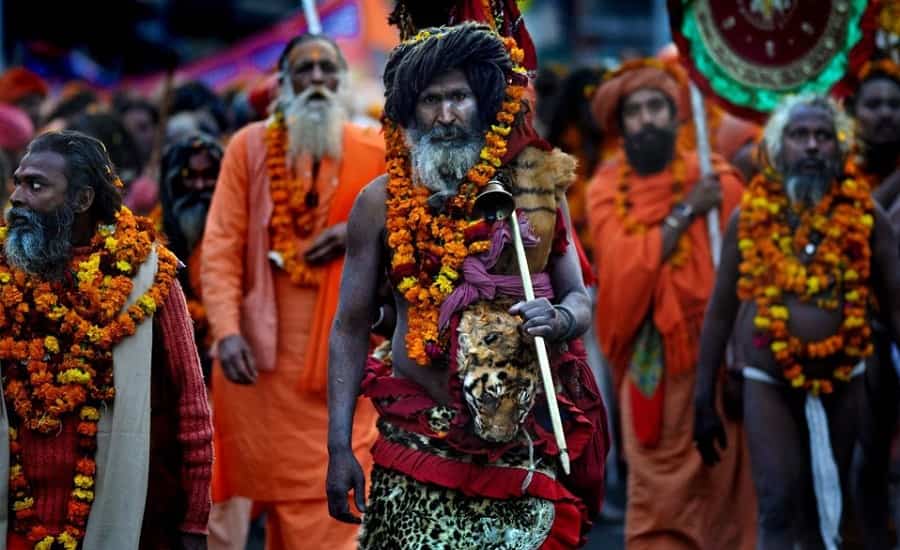
A unique feature of the Kumbh Melas is the presence of sadhus from all sects. The Naga Sadhus, Urdhvavahurs, Shirshasins, and Parivajakas all gather at the Mela, surrounded by throngs of devotees.
Even though the waters may be cold, millions of devotees plunge into the holy rivers with a feeling of bliss and spiritual fulfillment. It is a sight to behold, and the Mela comes around only once every 12 years. Whether driven by religious fervor or the desire to be part of a massive human congregation, visiting the Kumbh Mela at least once in a lifetime is an experience like no other. There is nothing quite like it.
- Also Reads on: Popular Fair and Festivals of India