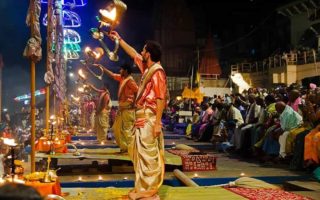
Varanasi, better known as Kashi, has been the ultimate pilgrimage destination for Hindus since ancient times and is even referred to as the oldest spiritual living place in the world. A well-known fact about Kashi is that it was the abode of Lord Shiva and Goddess Parvati. Hindus believe that anyone who closes their eyes in this divine city will be freed from the cycle of birth and achieve salvation or Moksha. This holy place has been a witness to the achievements of many legendary figures in different fields, such as the famous saint Tulsidas, who wrote the Ram Charit Manas, and originated from this sacred land.
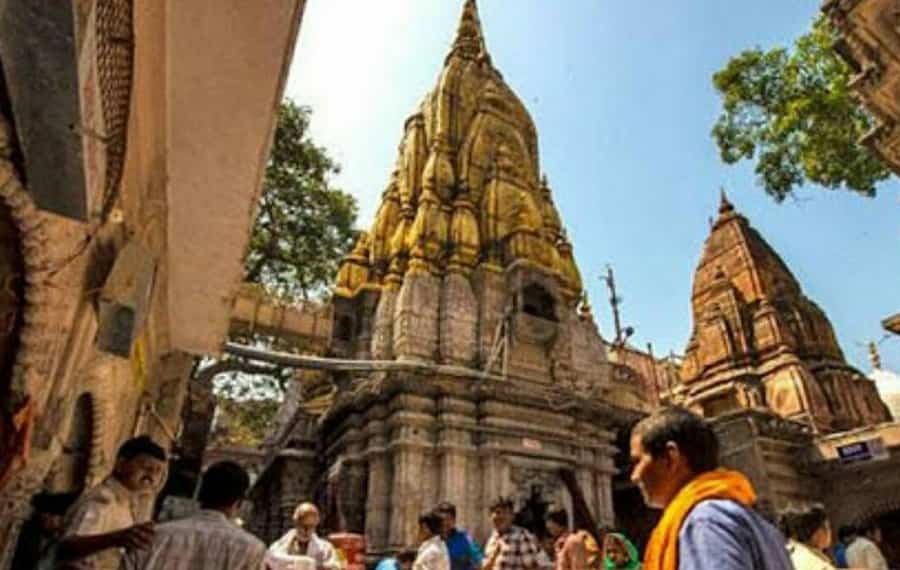
There are several traditional, spiritual, and mystical factors that make this place very special for every Hindu devotee, which is why many wish to embark on the Kashi trip. Every day, numerous Indians in their old age and foreigners from across the globe travel to Kashi, hoping to rid themselves of all their sins at this sacred destination. It is believed that in this blessed place, everyone can gain sovereignty over life, which is the main reason people travel here in their old age. The pilgrimage to Kashi is not just about a dip in the Ganga, temple visits, or a look at the riverbanks or Ghats, but it also involves appeasing our ancestors. Allahabad (now known as Prayagraj), located near Varanasi, is the place where the three holy rivers—Ganga, Yamuna, and Saraswati—converge, a place commonly known as the Sangam.
For people from the southern regions, the Kashi Yatra begins from Rameswaram, where one prays to Lord Shiva and Lord Rama, and collects sands from the seashore. This collected sand is then carried to Kashi and, more traditionally, to the Sangam place, where the sand is immersed in the holy confluence of the Ganga, Yamuna, and Saraswati while offering prayers. The water of the Ganga is then brought back to Rameswaram, where one performs Abhishek with this holy water. Due to the geographical structure, the Kashi Yatra is reversed for people from northern India.
Today, the Kashi Yatra has become much more comfortable due to the improved connectivity through air, bus, and train. You can find direct trains to Varanasi from most major railway junctions, and flights to Varanasi from Delhi, Mumbai, and other major cities. Travel agents provide full packages for Uttar Pradesh, including bus tours, which can be booked either online or offline through agencies like Delhi Tourism. In the past, when modern transportation options were not available, people would travel to Varanasi either by bullock cart or on foot. However, despite changes in travel methods, the faith in the Kashi Yatra remains as strong as ever.