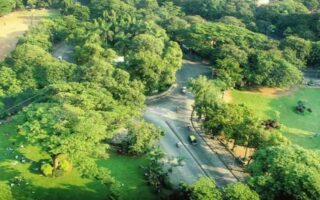
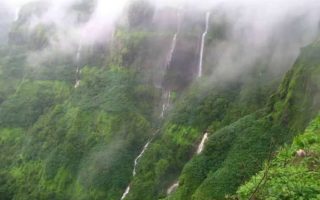
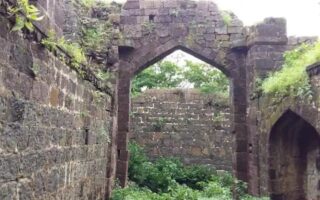
Everything that exists on Earth reflects art. Be it a creation of nature or a product of human endeavor, nothing is born out of random thoughts or unplanned initiatives. The Lonar Crater in the state of Maharashtra shows how nature can take the robe of an artist and create something not just beautiful but also a unique design, not found in abundance. This uniqueness makes it a coveted destination for travel enthusiasts.
History
The earliest mentions of this lake are found in various Hindu texts. The lake was first visited by a Britisher named J.E. Alexander in the 19th century. Studies conducted by experts suggest that the age of the crater ranges from 81,000 to 656,000 years.
The present-day district of Buldhana was ruled by several emperors in ancient times. From the reign of the Mughal Dynasty, the district saw a boom in trade and continues to be a major commercial center in the state.
Geography
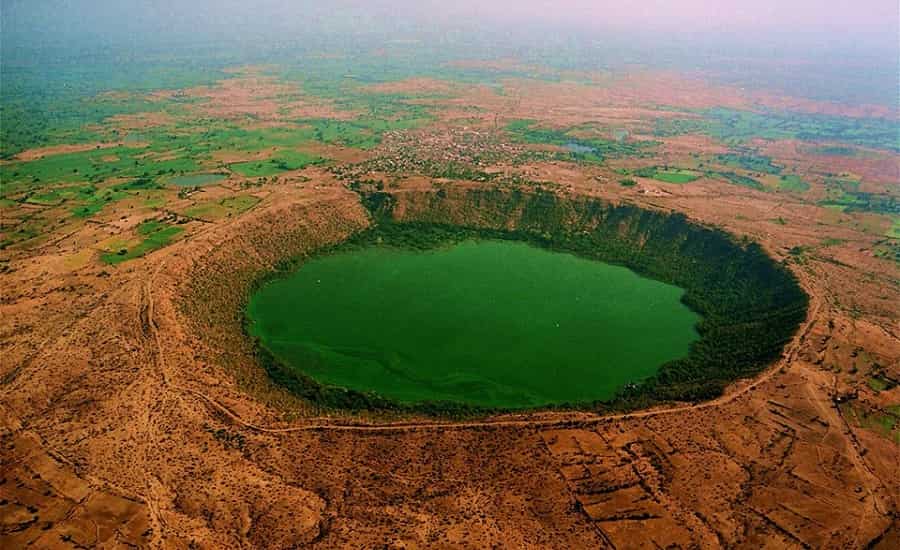
The average diameter of the lake is about 1.2 kilometers, while that of the crater is approximately 1.8 kilometers. The basin is surrounded by low hills. It appears to be round but is actually oval-shaped. The circumference of the lake, when measured from the base, is about 4.8 kilometers. The slopes around the lake are covered with teak trees, while date palms, tamarind, and babul trees are found around the basin.
Initially, it was believed that the lake originated from volcanic activity, but this theory was later discarded. Researchers concluded that the crater was formed after a meteorite or comet impacted the site. This conclusion was reached after the discovery of several elements at the crater that could only have been formed through shock metamorphism, a process triggered by the hypervelocity impact of extraterrestrial objects. After detailed studies, the crater was divided into five zones: the outermost ejecta blanket, crater rim, slopes, crater basin, and the lake itself.
The lake is also known for various byproducts. Over the years, scientists have found that the saline deposits here are different from those found in most lakes in India. Through the crystallization of salts and soda carbonates along the shore, several byproducts, including khuppal, nimakdalla, bhuski, and papri, are found near the lake.
What to See
In ancient times, the lake was surrounded by many temples, most of which are now in ruins, except for the Daitya Sudan Temple and the Kamalja Devi Temple.
Daitya Sudan Temple
Atemple dedicated to Lord Vishnu, this structure dates back to the period when the Chalukyas ruled the region. The temple is shaped like an irregular star and carries carvings similar to those found in the temples of Khajuraho in Madhya Pradesh. The idol inside is believed to be made from stone and metal. The roof suggests that construction was halted midway, but the reasons for this are still unclear.
Kamalja Devi Temple
Located very close to the lake, the Kamalja Devi Temple is situated at a height where the water level never reaches it. The temple also features intricate carvings. In addition to the historical structures, visitors can observe and photograph the birds, reptiles, mammals, and various species of trees around the lake.
Among the various shrubs that grow near the lake, the medicinal plant Sanjivani is considered the most important. It is used in the preparation of several traditional medicines. The lake’s alkalinity, with a pH of 11, makes it impossible for most plants and animals to survive inside.
Best Time to Visit
The best time to visit the lake is during the monsoon season. During this time, the weather enhances the greenery, and the lake brims with water, making it a pleasant experience for visitors.
How to Reach
The nearest airport to the Lonar Crater Lake is in Aurangabad, located 122 kilometers away. The closest railway station is Malkapur, which is on the Mumbai-Bhusawal rail route. Another nearby railway station is at Shegaon. Visitors traveling by road can reach Aurangabad and then take a state-run bus to the town of Lonar.
- Also Read: Maharashtra Rivers and Lakes