Located on the banks of the River Ganga, Varanasi is known for its holiness, as much as the River Ganga itself. Earlier known as ‘Kashi’ and ‘Banaras’, Varanasi is one of the seven holy cities of India. The spirituality and religious significance of Varanasi date back to the ancient Vedic period. According to Indian mythology, the city was founded by Lord Shiva himself. Today, it is widely known as ‘The Abode of Lord Shiva’. Once you set foot on the holy soil of Varanasi, you will feel spiritual enlightenment and inner contentment. There are many beautiful places to visit in Varanasi. Being one of the oldest cities in India, Varanasi has withstood the test of time and remains a major pilgrimage site as well as the cultural capital of Hindus.
The impressive temples, reverent Ganga Ghats, divine saints, never-dying spirituality, and many mysterious stories from the Vedas illustrate the celestial and cheerful canvas of Varanasi. Since ancient times, Varanasi has been a religious, cultural, educational, musical, and spiritual hub of India. Let’s immerse ourselves in the spirituality of Varanasi and the serenity of the Ganga Ghats.
Kashi Vishwanath Temple
- Location: Kashi Vishwanath Gali, Varanasi
- Timings: 4:00 AM – 11:00 PM
- Best Time to Visit: October to March
- How to Reach: Accessible by rickshaw, taxi, or walking from nearby ghats.
- Things to Do: Offer prayers to Lord Shiva, explore the temple’s sacred surroundings.
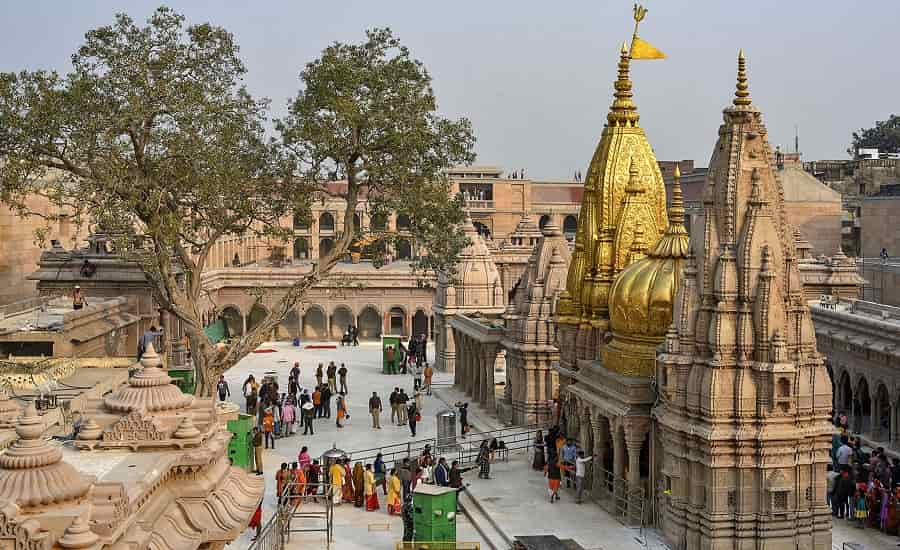
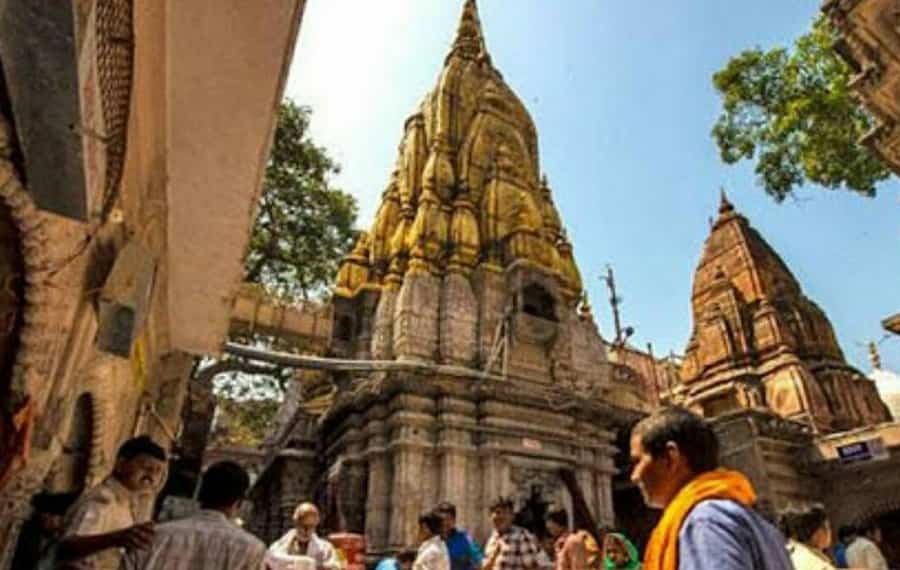
Located on the banks of the mighty Ganga, Kashi Vishwanath Temple is the soul of Varanasi. The foundation of Varanasi is believed to have started from this temple. Kashi Vishwanath Temple is nearly 3500 years old. The temple is one of the most revered Shiva temples in India and is also one of the twelve Jyotirlingas. The significance of a ‘Jyotirlinga’ in Hindu religion can only be fully understood by Hindus. Shiva Linga is the presiding deity here, so visit the temple and seek the blessings of the Almighty. Earlier, the temple had golden spires and domes, but foreign invaders looted it all. They plundered the metals but couldn’t touch the divinity of Lord Shiva.
The unmatched primeval architecture, packed with heart-touching sanctity, leaves every visitor enthralled on every visit. In and around the temple, you’ll definitely feel heavenly vibes. Kashi Vishwanath Temple is one of the most important places to visit in Varanasi for Hindus.
Maha Mrityunjaya Temple in Varanasi
- Location: Laxmi Ghat, Varanasi
- Timings: 6:00 AM – 8:00 PM
- Best Time to Visit: Throughout the year
- How to Reach: Accessible by auto-rickshaw or boat.
- Things to Do: Chant mantras for longevity and health, admire the peaceful atmosphere.
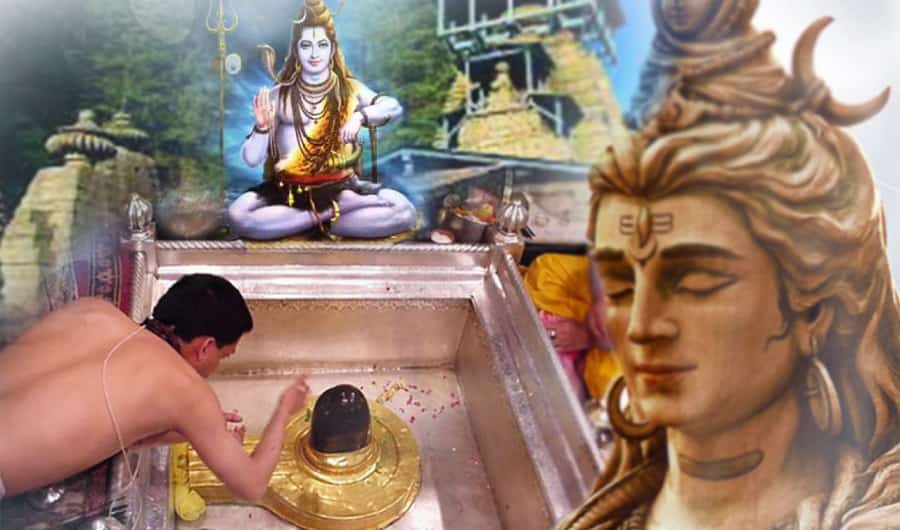
The meaning of Maha is huge, Mrityu means death, and Jay means victory, so the complete meaning is “victory over death.” This temple is dedicated to Lord Shiva, or Bhole Nath, and holds religious importance. It is believed that the water flowing beside the temple is the fusion of several underground water streams, and one dip in this water eliminates various physical ailments. It is also known as Mrityu Hareshwar, and another name is Dhanvantri, the “father of Ayurveda.” Every day, numerous people visit the Maha Mrityunjaya temple and take a dip in the cascading water to protect themselves from premature death and their enemies.
Maha Mrityunjaya Temple is located on the route to Kal Bhairav Temple, and since the temple is dedicated to Lord Shiva, it is famous as Lord Maha Mrityunjaya Temple. Lord Shiva is worshipped as Mrityunjaya, and the story behind it is that during the Sagar Manthan (churning of the ocean), several precious ornaments emerged. These were equally distributed among the gods (Devas) and demons (Asuras). Poison emerged from the churning, and all the gods were afraid to accept the pot of poison. However, Shiva took the pot and drank the poison. As a result, his neck turned blue, but his action saved humanity from the poison. That is why Maha Dev Shiva is known as Mahamrityunjay, and Varanasi is the place where Shiva drank the poison.
Every year, many devotees from across the country visit this place and perform the Maha Mrityunjaya path to get rid of their sins and ensure a healthier, longer life. It is a highly revered Shiva destination in Varanasi. On the occasion of Maha Shivaratri, a grand event is organized, during which Bhang (a drink made from cannabis) is served as Shiva Prasad.
Sarnath
- Location: 10 km from Varanasi, Sarnath
- Timings: 9:00 AM – 6:00 PM
- Best Time to Visit: October to March
- How to Reach: 10 km from Varanasi, accessible by taxi, bus, or rickshaw.
- Things to Do: Visit the ruins of Buddhist temples, explore the Sarnath Museum, and see the Ashoka Pillar.
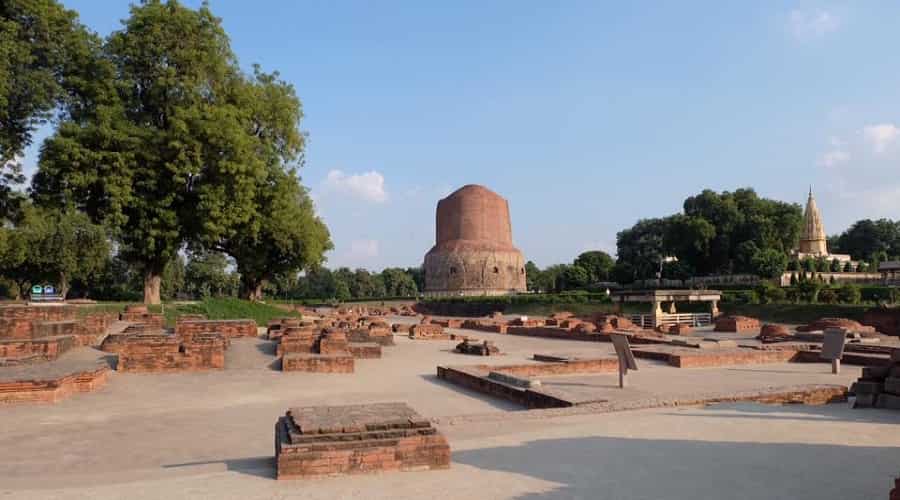
Just a few kilometers away from the main city, Sarnath is a must-visit place in Varanasi. It is a Buddhist pilgrimage site, but it is worth visiting for people of all faiths. It is believed that Gautam Buddha gave his first sermon here and preached the concept of Dharma. If you are a peace seeker and want to learn about religions in India, visit Sarnath. Adorned with crumbling stupas, fascinating inscriptions, floral carvings, opulent monasteries, and stunning temples, Sarnath reflects early Indian architecture.
Emperor Ashoka was greatly influenced by Buddhism, so he commissioned many stupas, including Chaukhandi Stupa and Dharmarajika Stupa, making Sarnath a pilgrimage site. If you want to gain more insight into Buddhism and Indian history, visit the Sarnath Museum, which houses a vast collection of Buddhist artifacts. Sarnath is one of the most important places to visit in Varanasi.
Assi Ghat
- Location: Southern tip of Varanasi
- Timings: Open 24 hours
- Best Time to Visit: Early morning for a peaceful experience
- How to Reach: Accessible by boat or rickshaw.
- Things to Do: Take a morning boat ride, witness the Aarti ceremony in the evening.
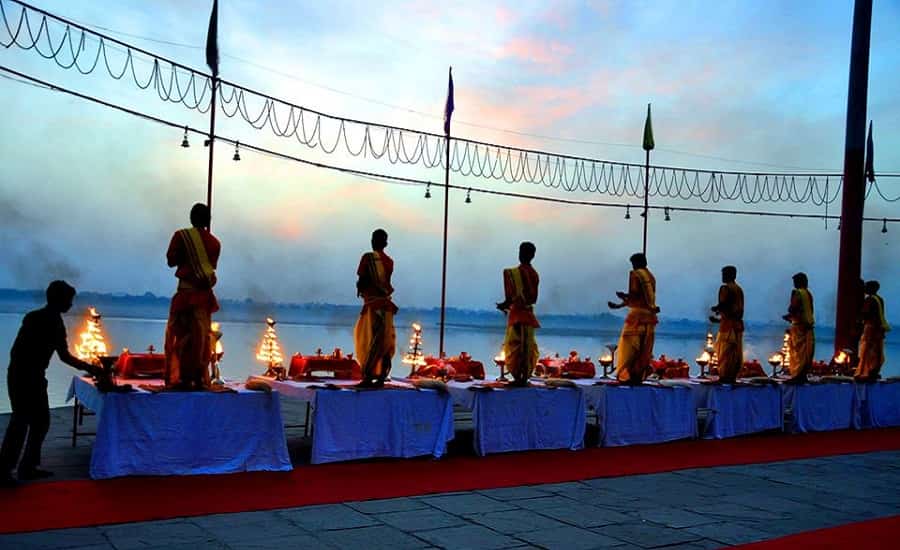
The Ganga River is the hallmark of Varanasi. Without the Ganga River, there would be no Varanasi. The various Ghats of the Ganga River are the real grace of this city. Each Ghat has its own significance, but Assi Ghat holds special importance. Located at the southernmost corner and at the confluence of the Ganga and Assi Rivers, Assi Ghat is famous for the huge Lord Shiva Lingam placed under a Peepal tree. Assi Ghat is also mentioned in many Hindu Puranas. According to Hindu mythology, Assi Ghat is the place where Goddess Durga threw her sword after killing the demons Shumbha and Nishumbha.
So, take a dip at Assi Ghat and pray to Lord Shiva with all your heart. You will definitely feel rejuvenated and refreshed. Another interesting fact about Assi Ghat is that it is the place where the greatest saint, Tulsidas Ji, completed the holiest and most famous book of Hindus, The Ramcharit Manas. These are the reasons that make Assi Ghat one of the famous places to visit in Varanasi.
Tulsi Manas Temple
- Location: Durga Kund, Varanasi
- Timings: 5:00 AM – 9:00 PM
- Best Time to Visit: October to March
- How to Reach: Accessible by rickshaw or auto.
- Things to Do: Explore the temple dedicated to Lord Rama, admire the intricate carvings and murals depicting the Ramayana.
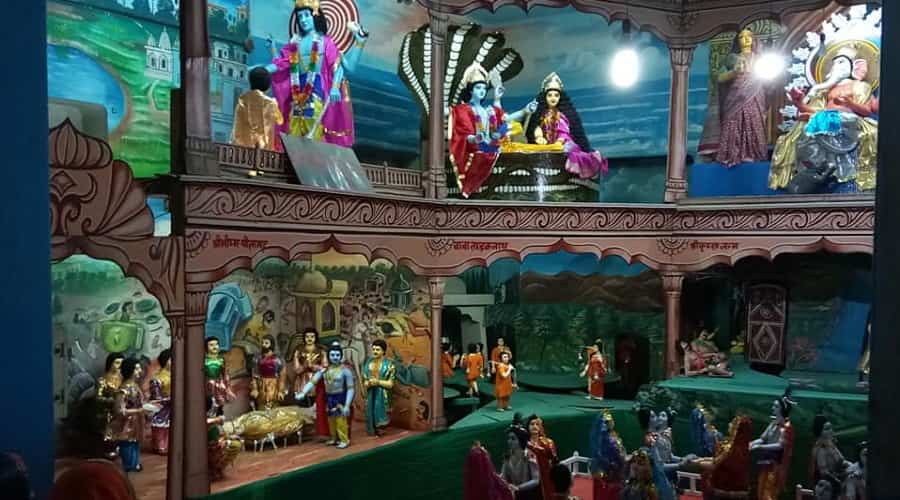
In Indian history, the Tulsi Manas Temple holds significant value, not only for describing the culture of Varanasi but for the entire country. The reason this place has such importance is that it is the site where the legendary Hindu epic Ramayana was composed by the great poet Goswami Tulsidas. He composed Ramayana in Hindi, named Ram Charit Manas, as earlier it was available only in Sanskrit, and a large portion of the population was unable to read it. Ramcharitmanas highlights the incidents in the life of Lord Rama and depicts him as a deity. Before its description, Lord Rama was known as the King of Ayodhya, a position of dignity.
A visit to the Tulsi Manas Temple is sure to fascinate visitors. Built in 1964, the temple is located near the Durga Temple. Made of white marble, the temple has a Shikhara (tower) design, with splendid landscaping around it. This temple is dedicated to Lord Rama, and every day, at 5:30 AM, Rama’s Aarti takes place. The temple remains open until noon and reopens in the evening from 4:00 PM until 9:00 PM. A remarkable feature of the temple is its depiction of Rama’s life on earth through colorful pictorial representations.
Ramnagar Fort
- Location: Ramnagar, Varanasi
- Timings: 10:00 AM – 5:00 PM
- Best Time to Visit: October to March
- How to Reach: 14 km from Varanasi, accessible by car or boat.
- Things to Do: Explore the fort, watch cultural performances, and view the museum’s collection of antiques.
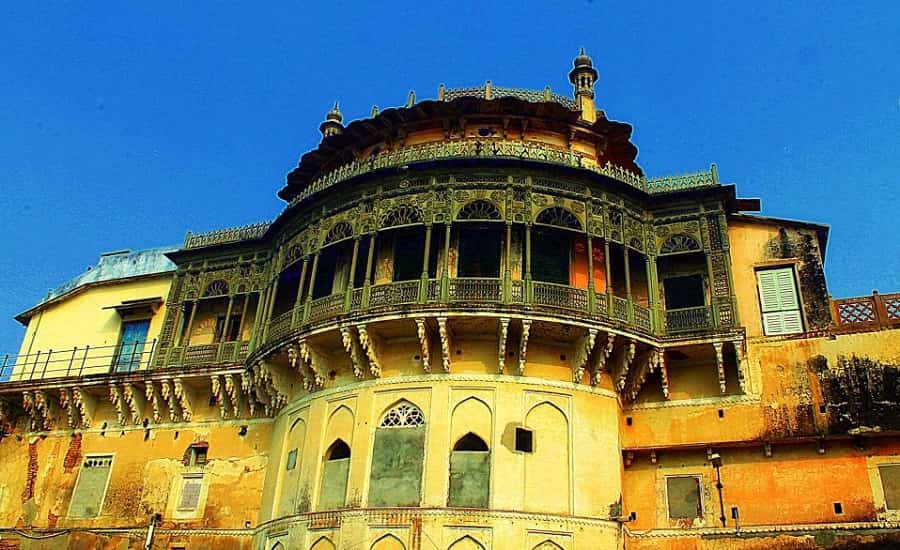
Ramnagar is a well-known place in Varanasi, and Ramnagar Fort is the residence of the King of Varanasi. Kashi Naresh is the title given to the king, who is revered as the king of Kashi, and the traditions of the royal family are still followed today. Since the 18th century, this fort has been home to the Kashi Naresh, who is honored by the people of Banaras. He is regarded as the religious head and is seen as an incarnation of Lord Shiva. Ramnagar Fort is famous for the dramatic celebration of Ramleela, with the Kashi Naresh acting as the chief cultural sponsor. Ramleela is an annual festival, where local people take part and perform various characters from the Ramayana.
Kashi Naresh Raja Balwant Singh was the founder of Ramnagar Fort, which is designed in Mughal architectural style, with open courtyards, pictorial wall carvings, carved balconies, and marble surfaces. During Dussehra, the Kashi Naresh rides an elephant as the cultural head, and the month-long event is inaugurated at Ramnagar Fort. Ramleela, the play based on the life incidents of Lord Rama, is performed by local artists who portray the characters of the Ramayana, such as Lord Ram, Lakshman, Sita, Raja Dashrath, Bharat, Meghnad, and Ravana. The climax of the event is the performance where Lord Rama defeats the demon king Ravana. Ramleela was first performed at Ramnagar Fort in the mid-19th century, and since then, it has become a tradition in Varanasi. The cultural head coordinates the event each year, and the crowd enthusiastically cheers for the artists.
Bharat Mata Temple
- Location: Varanasi
- Timings: 8:00 AM – 12:00 PM, 4:00 PM – 8:00 PM
- Best Time to Visit: October to March
- How to Reach: Accessible by rickshaw or taxi.
- Things to Do: See the map of undivided India carved in marble, explore the peaceful environment.
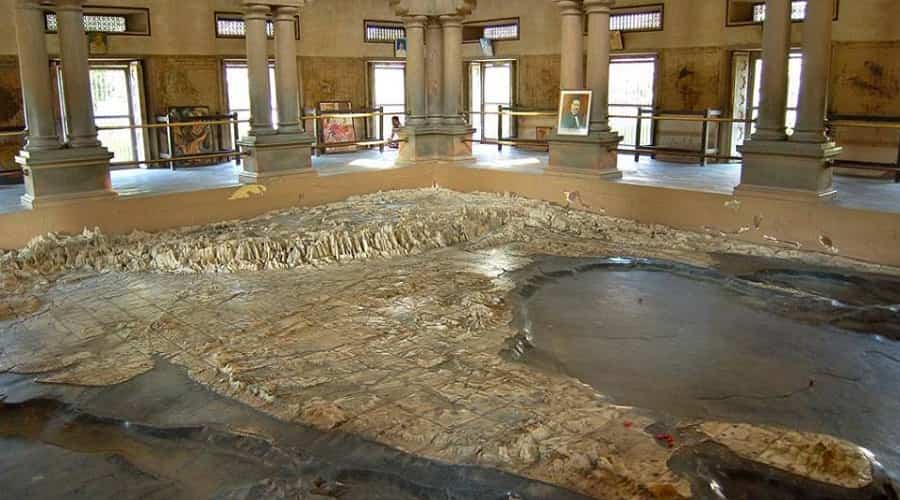
Bharat Mata Temple is the nationalized epitome of India as the mother of the country or goddess mother. She is frequently depicted as a woman fully clad in a saffron sari and holding a flag, sometimes escorted by a lion. The picture represents Aryavarta or the motherland of Hinduism, and Bharat Mata is always revealed as the symbol of the “integrated vision of the motherland,” as per Hindu belief.
In Varanasi, Bharat Mata Temple is positioned in the Mahatma Gandhi Kashi-Vidyapeeth campus. The idol is built from white marble and signifies the model of the entire India, depicting the Indian Ocean, mountains, and plains, with an engraved three-dimensional Indian map before the partition that marks the perfect longitude and latitude, which is also housed in the temple. The temple was inaugurated by the Father of the Nation, Mahatma Gandhi, on October 26, 1936. It is believed that the temple was gifted by the great nationalist Babu Shivprasad (who was later awarded the Bharat Ratna). During the inauguration, Mahatma Gandhi said that Bharat Mata Temple would be a platform for people of all races, religions, and castes, including Harijans, and would serve religious unity, love, peace, and cohesiveness of the nation.
Gyan Vapi Well
- Location: Kashi Vishwanath Temple complex, Varanasi
- Best Time to Visit: Early morning or evening
- How to Reach: Within walking distance from the Kashi Vishwanath Temple.
- Things to Do: Visit the sacred well believed to be linked with Lord Shiva.
Gyan Vapi Well has great religious as well as historic significance. The term Gyan Vapi well stands for ‘well of wisdom.’ This well lies within the premises of the Alamgir Mosque. According to popular legend, it is from the depths of this well that the original Shiva Lingam of the Kashi Vishwanath Temple was retrieved.
Bharat Kala Bhavan
- Location: Banaras Hindu University, Varanasi
- Timings: 10:00 AM – 5:00 PM
- Best Time to Visit: October to March
- How to Reach: Inside BHU campus, accessible by rickshaw or taxi.
- Things to Do: Explore the art, sculptures, and exhibitions of Indian culture.
Situated within the premises of Mahatma Gandhi Kashi Vidyapeeth, Bharat Mata Temple in Varanasi is one of the few of its kind. Constructed in 1936 and inaugurated by Mahatma Gandhi, Bharat Mata Temple is a memorial to all those martyrs who sacrificed their lives for the nation. Every Indian must visit this temple and pay homage to our heroes. The very interesting fact about the temple is that there is no statue or presiding deity here; rather, a relief map of India has been carved out in white marble. Apart from its significance, the temple also boasts an exquisite architectural style. It is also one of the religious places to visit in Varanasi.
Nepali Temple
- Location: Lalita Ghat, Varanasi
- Timings: 5:00 AM – 7:00 PM
- Best Time to Visit: October to March
- How to Reach: Accessible by boat or rickshaw.
- Things to Do: Admire the wood carvings and architecture, take in views of the Ganga.
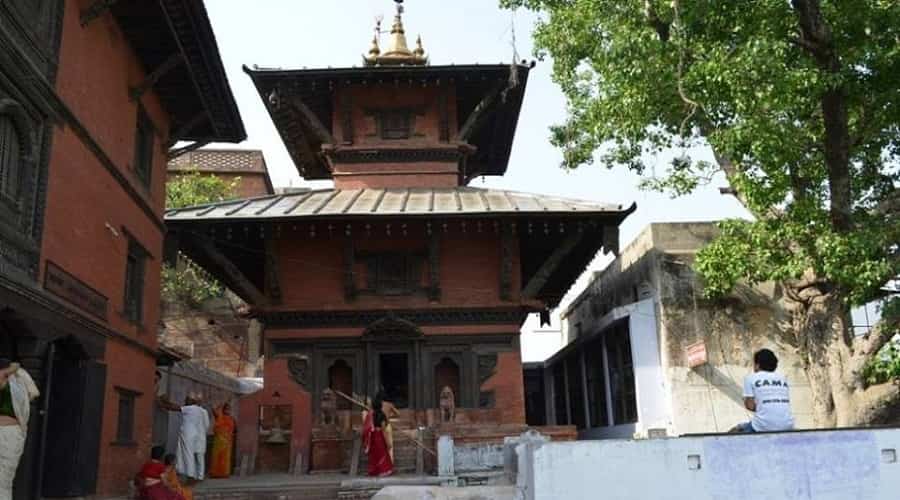
Nepali Temple, also called Kathwala Temple, is a beautiful pagoda-style temple standing on Lalita Ghat in Varanasi. The exquisite wood carvings on this temple grab all attention. The temple is believed to have been constructed by Nepal’s king, who had spent years of exile in Varanasi.
Kabir Math
- Location: Kabir Chaura, Lahartara, Varanasi
- Timings: 5:00 AM – 9:00 PM
- Best Time to Visit: Kabir Jayanti (May-June)
- How to Reach: Accessible by rickshaw or taxi.
- Things to Do: Attend spiritual discourses, experience the serene atmosphere.
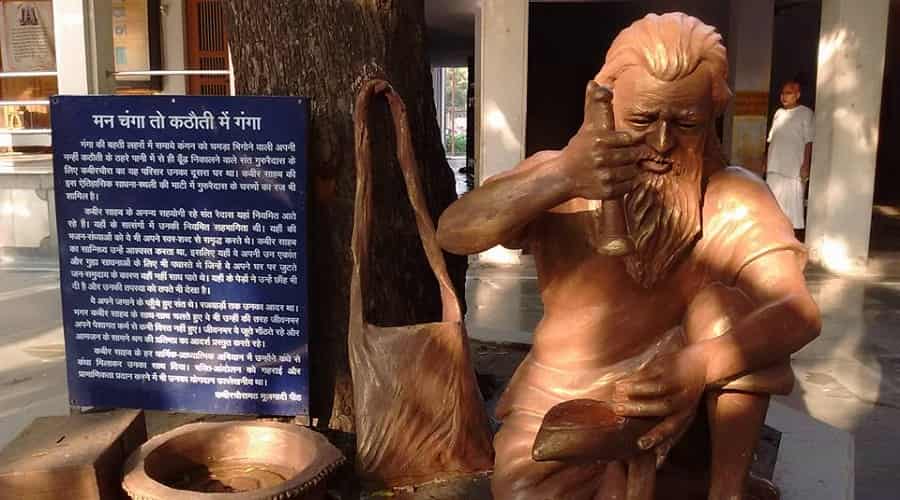
Kabir Math is steeped in immense religious as well as historical significance. The Math is located in Varanasi’s Lahartara, Kabir Chaura, and has been named after saint-poet Kabir. Those who visit Kabir Math are definitely moved by the peaceful ambiance and serenity of the Math. On the occasion of Kabir Jayanti, the Math is dressed up in all grandeur.
Sankat Mochan Hanuman Temple
- Location: Near Assi Ghat, Varanasi
- Timings: 5:00 AM – 9:00 PM
- Best Time to Visit: Tuesday, or anytime for peace
- How to Reach: Accessible by rickshaw or walking.
- Things to Do: Pray to Lord Hanuman, especially on Tuesdays.
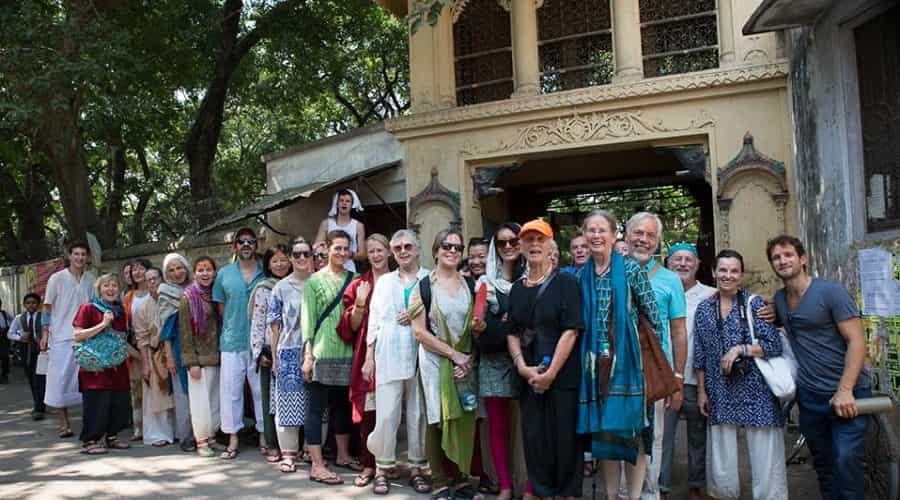
Sankat Mochan Hanuman Temple is an ancient and significant temple in Varanasi. The temple is dedicated to Lord Hanuman, who is also called Sankat Mochan, or remover of troubles. The temple is located near Assi Ghat and is heavily visited by devotees every Tuesday. This temple is believed to have some great divine power, and one who prays sincerely at this place can have all their wishes fulfilled.
Durga Mandir
- Location: Durgakund, Varanasi
- Timings: 5:00 AM – 9:00 PM
- Best Time to Visit: Navratri festival
- How to Reach: Accessible by auto-rickshaw or on foot.
- Things to Do: Visit the Goddess Durga idol, take a dip in the Durga Kund.
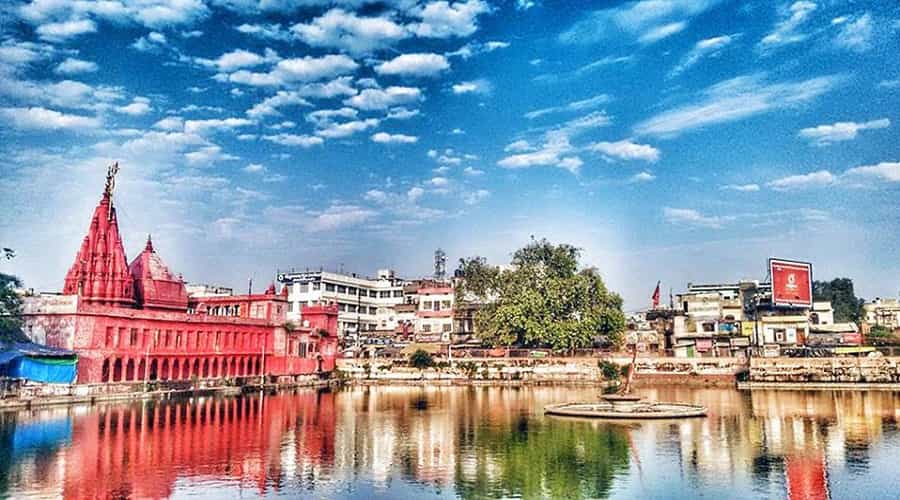
Durga Mandir of Varanasi is indeed a must-visit place. This temple was set up by a queen of Bengal around the 18th century. The temple features typical Nagara-style architecture and comes with a wonderful multi-tiered spire. The temple’s presiding deity is Goddess Durga, and as per common belief, her idol was not installed by anyone but appeared on its own. A holy water tank called Durga Kund lies within the temple premises and is believed to have miraculous powers. During the Navratri festival, the temple sees record crowds. The other name for Durga Temple is the Monkey Temple, due to the abundance of monkeys in the area.
Chunar Fort
- Location: Chunar, near Varanasi
- Timings: 9:00 AM – 5:00 PM
- Best Time to Visit: October to March
- How to Reach: 1-hour drive from Varanasi by car or bus.
- Things to Do: Explore the fort, learn about its historical and haunted past.
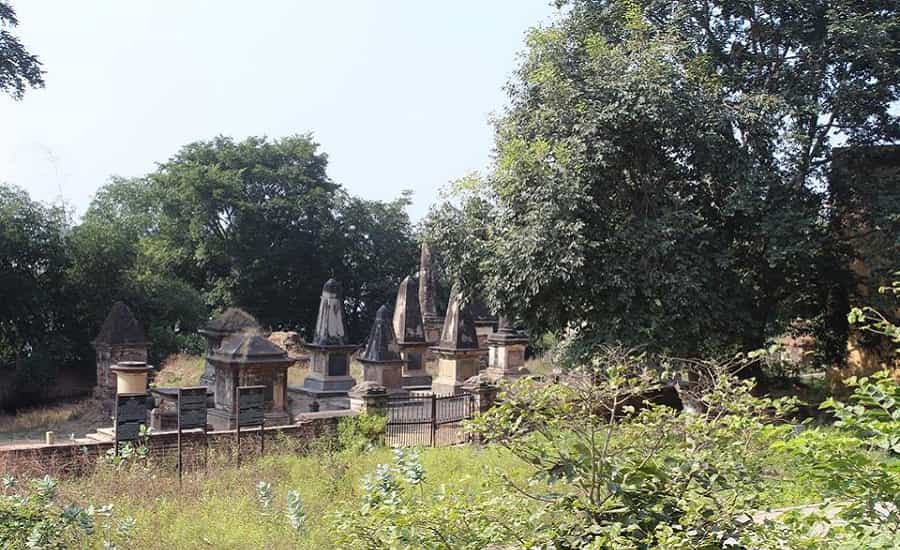
Chunar Fort has always been a matter of curiosity among the visitors, not for its grandiosity but for the history and the haunted stories that can thrill anybody. You must have heard many spooky and paranormal stories about Chunar Fort. If not, please google it once. Anyways, located on the bank of the Ganga River and spreading over an area of 34,000 square feet, Chunar Fort was built by Ujjain ruler Vikramaditya in the 16th century. The fort has witnessed a history of changing rulers from different dynasties, making it worth visiting. Visit Chunar Fort if you want to explore something thrilling in Varanasi. I would advise you—don’t stay within the premises of the fort after dusk, don’t respond to any voice you hear from the back, and please don’t explore the fort alone.
Dashashwamedh Ghat
- Location: Varanasi
- Timings: Open 24 hours, Aarti at 6:30 PM daily
- Best Time to Visit: Evening for the Ganga Aarti
- How to Reach: Accessible by boat or rickshaw.
- Things to Do: Witness the Ganga Aarti, take a boat ride, and immerse in the spiritual experience.
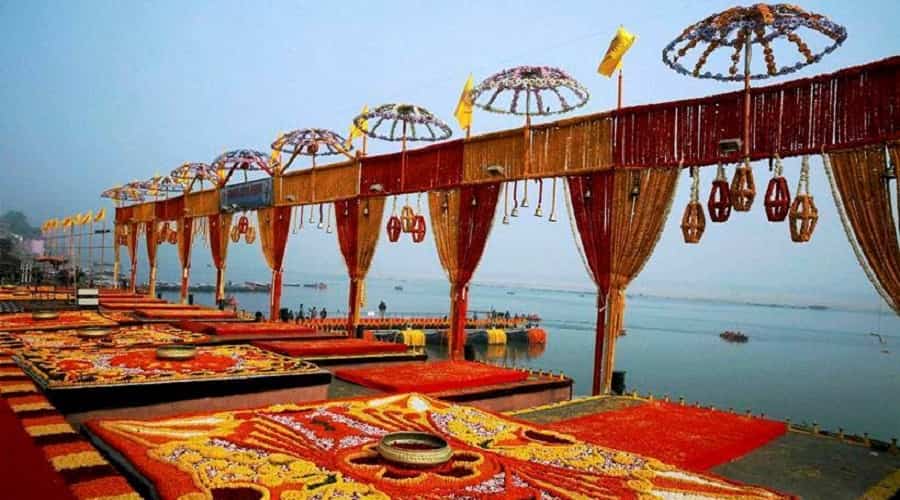
Every Ghat of the Ganga River deserves a visit in Varanasi, but you can’t afford to miss a visit to Dashashwamedh Ghat because here you’ll get to see the real beauty of the Ganga River and the piety of devotees. Washing the feet of Kashi Vishwanath Temple, Dashashwamedh Ghat is considered to be the oldest ghat of the Ganga and is regarded as the essence of the Ganga in Varanasi. It is the place where all rituals and the Aarti ceremony take place, and you can feel the utter spiritual transcendence.
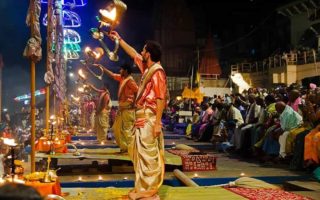
The Evening Aarti unfolds the grandeur of the Ganga River in front of your eyes. Devotees float lit Diyas in the Ganga, and temple priests take the large lit brass lamps in their hands and pray to the almighty lord. At that time, only the echo of mantras fills the air, and the radiance of gleaming light shines in the sky. Attending the Aarti ceremony at Dashashwamedh Ghat is definitely an experience for a lifetime that you can’t witness anywhere else. It is among the top 10 places to visit in Varanasi.
Alamgir Mosque
- Location: Varanasi, near the Ganga River
- Timings: 7:00 AM – 7:00 PM
- Best Time to Visit: October to March
- How to Reach: Accessible by rickshaw or taxi.
- Things to Do: Explore the mosque’s architecture, view the Ganga.
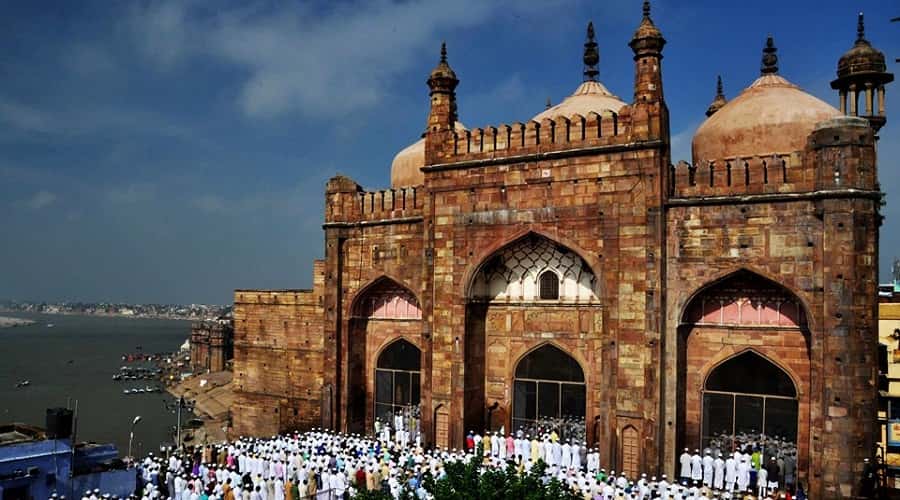
Abdul Muzaffar Muhi Ud-din Muhammad Aurangzeb, more popularly known as the brutal emperor Aurangzeb by his chosen title Alamgir, was the sixth Mughal Emperor who ruled India for 49 years from 1658 until his death. The Alamgir Mosque was constructed by the order of Aurangzeb on the site where a Hindu temple once stood. The temple was destroyed, and the statue of the god was broken into pieces and distributed to butchers for weighing meat. The current structure of the mosque provides a picturesque view, bordered by the Ganga River on one side. The mosque’s infrastructure is designed in a combination of Persian and Hindu construction styles. The inner sides of the mosque feature carved pillars, marvelous domes, and turrets.
Aurangzeb, who was the wealthiest Mughal emperor and notable for his expansionist policies, spent a significant amount on constructing the Alamgir Mosque, which is considered the best among the many mosques he built across the country. The enviable location adds to the ecstasy of Alamgir Mosque, as it showcases impressive architectural skills. It can be said that the combination of Hindu and Mughal architectural styles is evident, with Hindu influences in the lower part of the mosque and Mughal style in the outer part.
Gadauliya Market
- Location: Old Varanasi
- Timings: 10:00 AM – 9:00 PM
- Best Time to Visit: Evening for a lively atmosphere
- How to Reach: Accessible by rickshaw or walking from the ghats.
- Things to Do: Shop for Banarasi silk sarees, try local snacks at Dina Chaat.
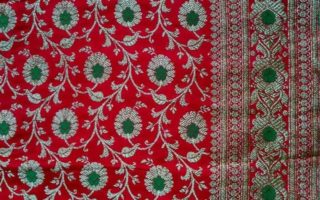
Gadauliya Market is a thickly crowded, bustling bazaar situated in old Varanasi. The market forms the most happening hub of old Varanasi. There are several shops in the market selling sundry items that tourists find highly fascinating. Many shops in this market offer an extensive collection of Banarasi Silk Sarees at reasonable prices. Dina Chaat shop in Gadauliya Market enjoys a special place among the tourists for offering lip-smacking chaats.
Banaras Hindu University
- Location: Varanasi
- Timings: Open from 9:00 AM – 5:00 PM
- Best Time to Visit: Year-round
- How to Reach: Accessible by taxi or rickshaw.
- Things to Do: Explore the campus, visit the replica of Kashi Vishwanath Temple.
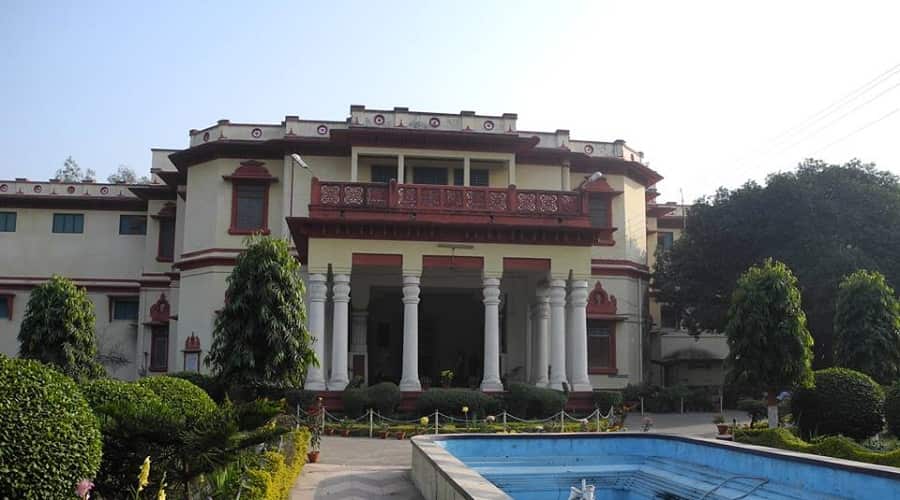
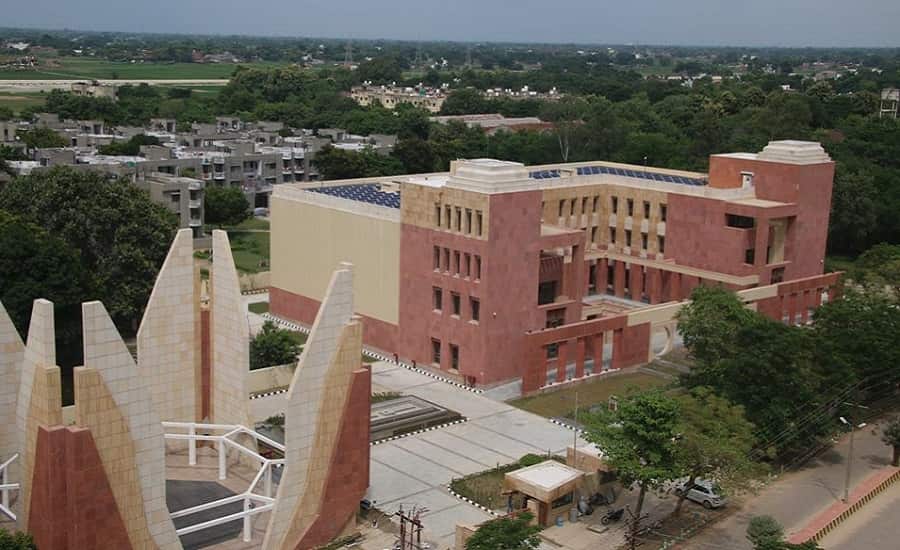
Banaras Hindu University, or BHU, is one of the country’s most important universities. All fields of study are taught excellently at this ancient institute. The university has a sprawling green campus and a very serene ambiance. The university ranks as No. 1 in terms of its student residential facilities. The university campus houses a fascinating replica of the Kashi Vishwanath Temple as well.
Museums in Varanasi
A number of eye-catching destinations are located in Varanasi, and among all places, the Banaras Museum displays the perfect combination of art and science. One of them is the Sarnath Museum, whose archaeology sparks curiosity. It is believed to have been constructed for a significant purpose, and the best-known artifact is the Ashoka Pillar, an example of Ashoka’s art and widespread kingdom. Four lions are placed at the top of the pillar, each pointing in a different direction, and this pillar serves as the national emblem of India. The pillar is housed in the Sarnath Museum.
Ramnagar Fort Museum, located on the banks of the Ganga, has its appeal, especially during the cultural reenactments of the Hindu epic Ramcharitmanas, which are sponsored by the cultural head of Kashi Naresh. Visitors can explore rare traditional weapons, decorated howdahs, and vibrant textiles at the museum.
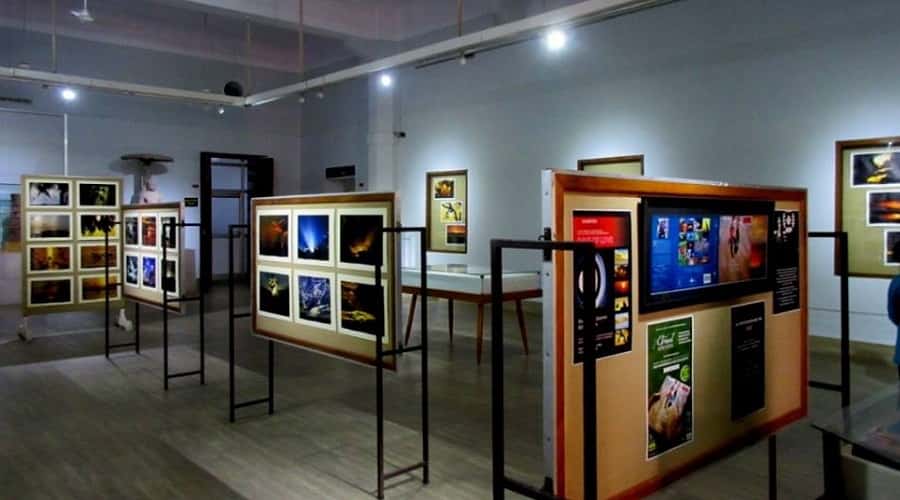
Bharat Kala Museum, located in the Banaras Hindu University campus, contains a massive collection of Indian terracotta pieces and traditional art. The museum hosts art exhibitions from both India and globally.
Best Time to Visit Varanasi
Varanasi can be visited year-round, as the summer temperatures are not extremely high. The ideal time for a visit is from October to November. During this period, the Ganga Mahotsav, a five-day festival, takes place, and the city becomes colorful and exuberant. After the monsoon, the river Ganga gets its full strength and divine energy, perfect for a religious experience.
How to Reach Varanasi
Varanasi is well connected by road, rail, and air. State-run buses are available for connecting the city to neighboring states and cities. Varanasi Railway Station is well connected to the rest of India, and Lal Bahadur Shastri International Airport handles both domestic and international flights.
Varanasi is known for its spiritual aura. Every step in the city reveals divinity, and if you take a break from life’s hustle and bustle and plan a trip to Varanasi, your life’s perspective will change forever.
- Check out: Kashi Yatra in Varanasi
Varanasi is the calmest and interesting place in India.
I would love to go back there again and again.
Thanks for your awesome travel guide and photos are really beautiful.